
Winners talk: The Uniform creators explore the human side behind the badge
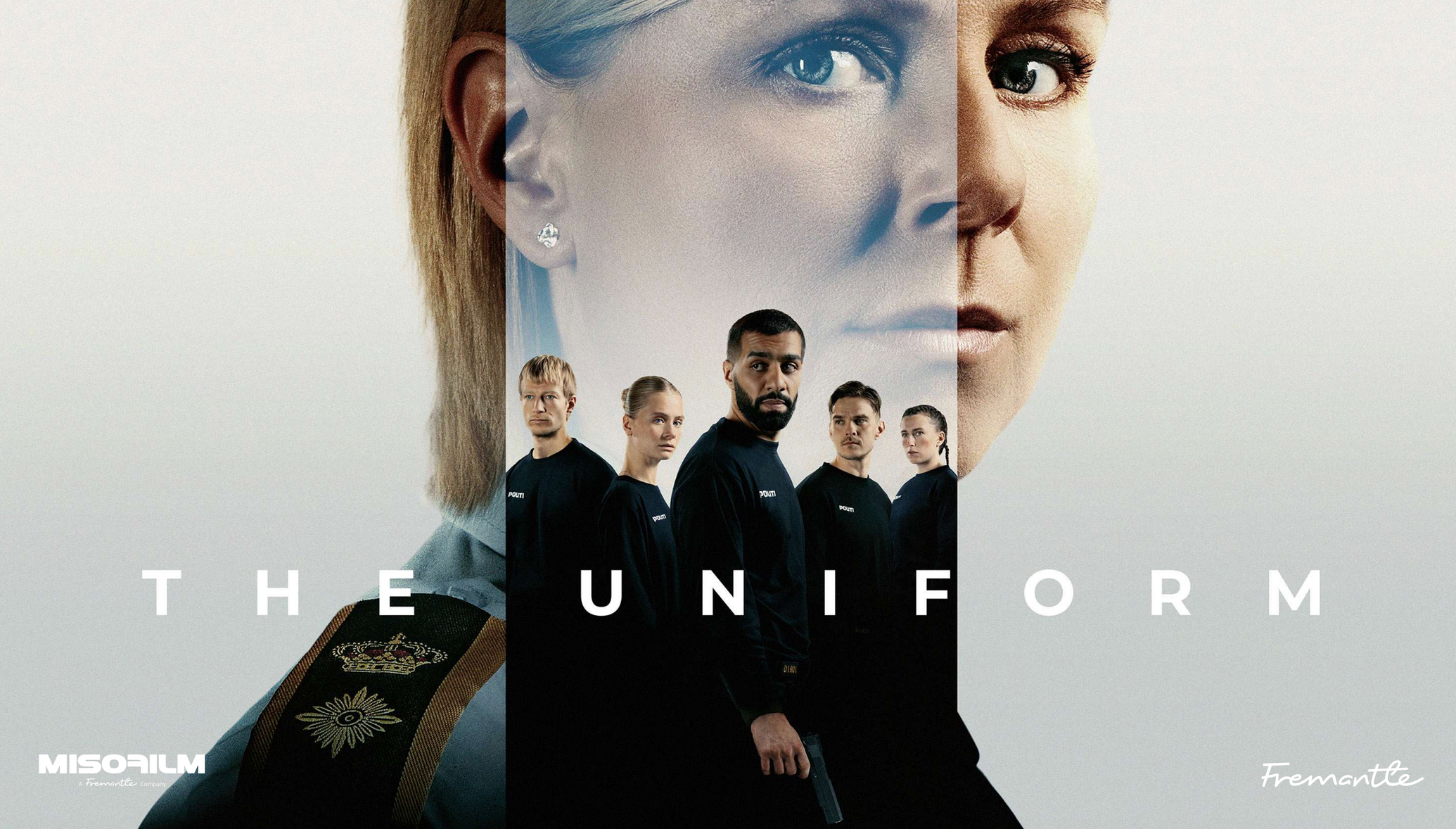
Danish drama The Uniform, which won the Golden Nymph for Best Series in the Fiction competition at the 65th Monte-Carlo Television Festival, is proving that Nordic crime storytelling can still find new directions. Produced by Miso Film for Danish public broadcaster DR and distributed internationally by Fremantle, the six-part series shifts the focus away from veteran detectives and murder investigations to the next generation of police officers training at the Danish Police Academy.
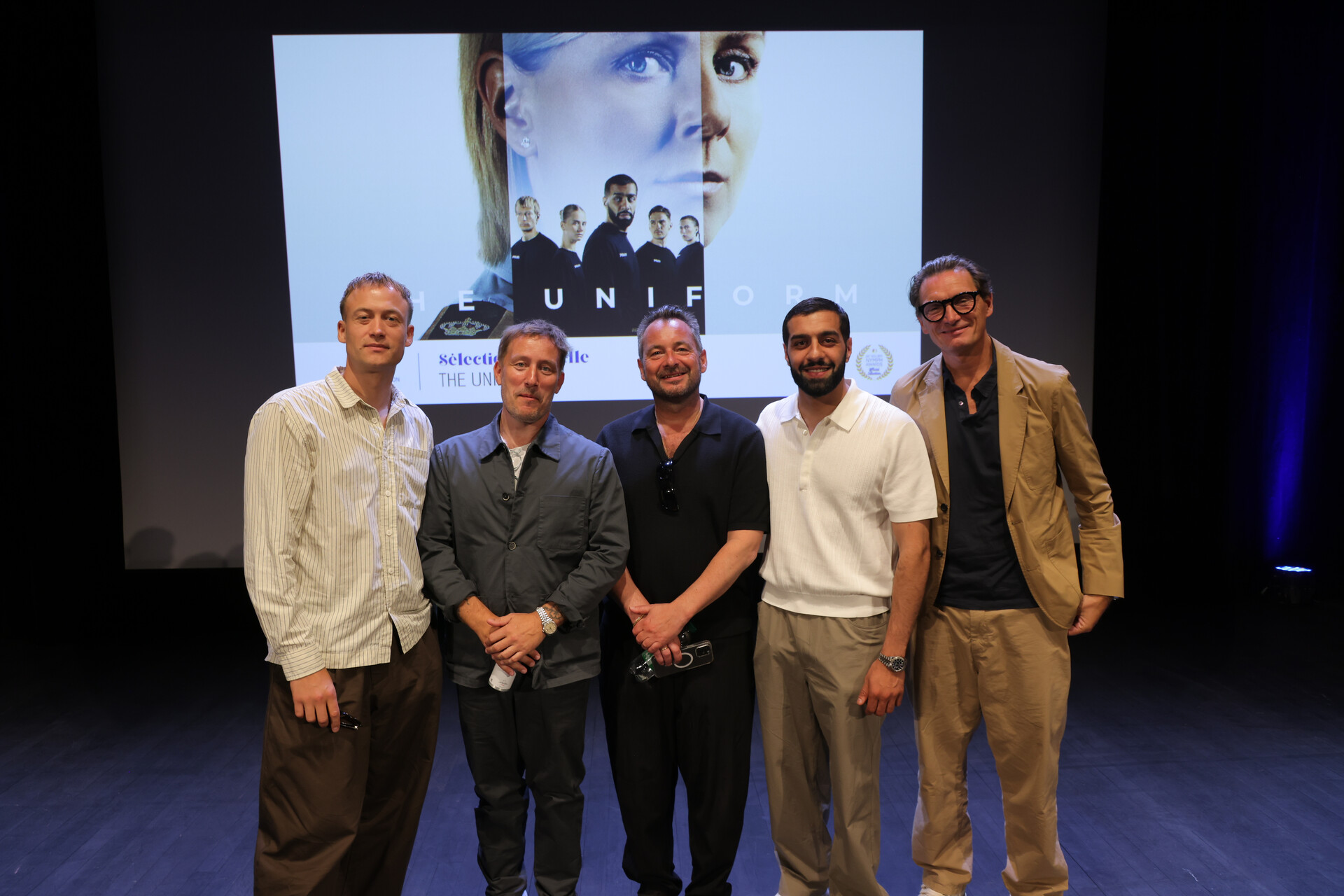
During two roundtable sessions in Monte-Carlo, producer Jonas Allen, director Jonas Alexander Arnby, writers Anders August and Oscar Giese, actor Soheil Bavi, and producer Sofie Bergstein discussed the origins of the series, its research process, its strong ratings success and the plans already underway for a second season.
The series opens with a police trainee involved in a shooting, a dramatic incident that becomes the foundation for the entire season. The creative team stressed that the story was not inspired by one specific real-life case, but rather by a number of incidents over the years that raised questions about police conduct and accountability.
When asked by TVBIZZ whether the show was based on a real-life case, Oscar Giese shared that "It wasn't one case in particular, but we were inspired by different incidents over the years, where police force was questioned, and their actions were questioned, and the process that it starts within the system."
According to Anders August, the opening shooting sequence was rewritten numerous times because it needed to contain many of the moral questions explored throughout the season. “That scene needs to hold almost the entire questions for the whole season," he said. "It needs to be right and wrong at the same time, and it needs to have a lot of different angles to it."
Research played a crucial role in shaping the project. The writers and actors spent extensive time at the police academy speaking with trainees and officers. What struck the creators most was how relatable the students were.
Oscar Giese noted: "They were just regular people like myself. I could see myself in them. I could see myself in this police academy doing this education."
That discovery became central to the show's concept. Rather than presenting police officers as authority figures removed from everyday life, the creators wanted to portray young people trying to find their place in a difficult profession.
For producer Sofie Bergstein, that social perspective remains the heart of the project.
"The social relevance has always been the most important one," she said. Bergstein explained that the original idea emerged after the team learned that applications to the Danish Police Academy had been declining while trust and respect for police among younger generations appeared to be weakening.
"The market is so oversaturated with police shows," she noted. "So we thought it's an interesting angle to start at another point, where it's not fully fledged police officers. But it's young people with best intentions and dreams and with their own ideas about what they want to do with the uniform."
The writers repeatedly emphasized that The Uniform is fundamentally a coming-of-age story set within an educational environment. One of their biggest challenges was resisting the temptation to turn the series into a conventional action-driven police procedural.
“When you write a cop show, it's very tempting to cut to blue lights and action and drama," August said. "We had to constantly remind ourselves that this is a show about a school. This is a show about education."
As a result, the series focuses heavily on moral dilemmas, psychology and personal growth rather than investigations and crime-solving.
The structure of the drama allows viewers to see both classroom theory and real-world practice. The creators said the concept was built around the intersection between those two worlds.
"The whole idea about having both things in the show was that it was where they met," Giese explained. "Seeing someone theoretically learn something and then seeing someone moments later or an episode later having to deal with that situation in real life."
Even when characters leave the academy and encounter difficult situations on the streets, the series continues to frame those experiences as learning opportunities rather than traditional police work.
Director Jonas Alexander Arnby argued that this character-centered approach differentiates the series from more traditional Nordic crime dramas.
"There's a bigger relationship drama in this show," he said. "The drama is so intense that it almost becomes a psychological thriller in a way."
Visually, Arnby sought to create a contrast between the structured environment of the academy and the unpredictable realities of street policing while maintaining a strong sense of realism throughout.
The actor portraying trainee Josef, Soheil Bavi, revealed that he spent significant time at the police academy preparing for the role and speaking directly with trainees.
"The most interesting for me was the emotional side of the character," Bavi said. "I try to understand his loneliness and his silence."
One of the most challenging sequences to film was the pivotal shooting scene that drives the season's narrative. Arnby described it as the show's most important moment and said it was staged largely as a continuous shot.
"It was the most fun thing to do at the show, but it was also the most intense thing to do," he said. The sequence required several days of rehearsals and a full day of filming.
The title itself reflects the central themes explored throughout the series. The creators explained that the uniform represents both protection and conformity while also raising questions about identity.
Oscar Giese noted:"when you put on a uniform, it's a way of dehumanizing, right? You're not supposed to be a human anymore. You're just supposed to be the job. But we wanted to explore the human side behind it."
The series has already become a major success for DR. According to the producers, it reached around 1.5 million viewers and a 47% audience share in Denmark, making it one of the broadcaster's strongest drama launches in recent years. The drama has also performed strongly across the Nordic region, including Sweden, and has been acquired by the BBC, marking a notable international breakthrough.
Bergstein believes that audiences are increasingly willing to embrace stories deeply rooted in local culture. "I think audiences are becoming more adept to watching foreign language series," she said. "I think it is important as a consumer to watch shows or films from other countries with different cultures than your own."
The producers acknowledged that they explored co-production opportunities but ultimately found that the show's distinctly Danish setting made it difficult to identify a natural international production partner.
Nevertheless, international interest continues to grow. Bergstein revealed that additional distribution deals are currently being negotiated beyond the BBC acquisition.
The strong reception has already secured the future of the franchise. The team confirmed in Monte-Carlo that a second season has been commissioned and is currently in development.
“We started developing while we were finishing the last cuts of the first season," August revealed. "We'll be shooting next year."
Production on Season 2 is scheduled to begin in February, with the same core creative team expected to return.
The series opens with a police trainee involved in a shooting, a dramatic incident that becomes the foundation for the entire season. The creative team stressed that the story was not inspired by one specific real-life case, but rather by a number of incidents over the years that raised questions about police conduct and accountability.
When asked by TVBIZZ whether the show was based on a real-life case, Oscar Giese shared that "It wasn't one case in particular, but we were inspired by different incidents over the years, where police force was questioned, and their actions were questioned, and the process that it starts within the system."
According to Anders August, the opening shooting sequence was rewritten numerous times because it needed to contain many of the moral questions explored throughout the season. “That scene needs to hold almost the entire questions for the whole season," he said. "It needs to be right and wrong at the same time, and it needs to have a lot of different angles to it."
Research played a crucial role in shaping the project. The writers and actors spent extensive time at the police academy speaking with trainees and officers. What struck the creators most was how relatable the students were.
Oscar Giese noted: "They were just regular people like myself. I could see myself in them. I could see myself in this police academy doing this education."
That discovery became central to the show's concept. Rather than presenting police officers as authority figures removed from everyday life, the creators wanted to portray young people trying to find their place in a difficult profession.
For producer Sofie Bergstein, that social perspective remains the heart of the project.
"The social relevance has always been the most important one," she said. Bergstein explained that the original idea emerged after the team learned that applications to the Danish Police Academy had been declining while trust and respect for police among younger generations appeared to be weakening.
"The market is so oversaturated with police shows," she noted. "So we thought it's an interesting angle to start at another point, where it's not fully fledged police officers. But it's young people with best intentions and dreams and with their own ideas about what they want to do with the uniform."
The writers repeatedly emphasized that The Uniform is fundamentally a coming-of-age story set within an educational environment. One of their biggest challenges was resisting the temptation to turn the series into a conventional action-driven police procedural.
“When you write a cop show, it's very tempting to cut to blue lights and action and drama," August said. "We had to constantly remind ourselves that this is a show about a school. This is a show about education."
As a result, the series focuses heavily on moral dilemmas, psychology and personal growth rather than investigations and crime-solving.
The structure of the drama allows viewers to see both classroom theory and real-world practice. The creators said the concept was built around the intersection between those two worlds.
From Left to Right Oscar Giese, Anders August, Jonas Arnby, Soheil Bavi Jonas Allen
"The whole idea about having both things in the show was that it was where they met," Giese explained. "Seeing someone theoretically learn something and then seeing someone moments later or an episode later having to deal with that situation in real life."
Even when characters leave the academy and encounter difficult situations on the streets, the series continues to frame those experiences as learning opportunities rather than traditional police work.
Director Jonas Alexander Arnby argued that this character-centered approach differentiates the series from more traditional Nordic crime dramas.
"There's a bigger relationship drama in this show," he said. "The drama is so intense that it almost becomes a psychological thriller in a way."
Visually, Arnby sought to create a contrast between the structured environment of the academy and the unpredictable realities of street policing while maintaining a strong sense of realism throughout.
The actor portraying trainee Josef, Soheil Bavi, revealed that he spent significant time at the police academy preparing for the role and speaking directly with trainees.
"The most interesting for me was the emotional side of the character," Bavi said. "I try to understand his loneliness and his silence."
One of the most challenging sequences to film was the pivotal shooting scene that drives the season's narrative. Arnby described it as the show's most important moment and said it was staged largely as a continuous shot.
"It was the most fun thing to do at the show, but it was also the most intense thing to do," he said. The sequence required several days of rehearsals and a full day of filming.
The title itself reflects the central themes explored throughout the series. The creators explained that the uniform represents both protection and conformity while also raising questions about identity.
Oscar Giese noted:"when you put on a uniform, it's a way of dehumanizing, right? You're not supposed to be a human anymore. You're just supposed to be the job. But we wanted to explore the human side behind it."
The series has already become a major success for DR. According to the producers, it reached around 1.5 million viewers and a 47% audience share in Denmark, making it one of the broadcaster's strongest drama launches in recent years. The drama has also performed strongly across the Nordic region, including Sweden, and has been acquired by the BBC, marking a notable international breakthrough.
Bergstein believes that audiences are increasingly willing to embrace stories deeply rooted in local culture. "I think audiences are becoming more adept to watching foreign language series," she said. "I think it is important as a consumer to watch shows or films from other countries with different cultures than your own."
The producers acknowledged that they explored co-production opportunities but ultimately found that the show's distinctly Danish setting made it difficult to identify a natural international production partner.
Nevertheless, international interest continues to grow. Bergstein revealed that additional distribution deals are currently being negotiated beyond the BBC acquisition.
The strong reception has already secured the future of the franchise. The team confirmed in Monte-Carlo that a second season has been commissioned and is currently in development.
“We started developing while we were finishing the last cuts of the first season," August revealed. "We'll be shooting next year."
Production on Season 2 is scheduled to begin in February, with the same core creative team expected to return.