

From skeptical buyers to global dominance: the real DNA of K-drama success
For more than three decades, Hojin Kwon, Ph.D. has been helping Korean television find audiences beyond its borders. Today, the SBS Media Group executive is recognized as one of the pioneers of the Korean Wave, but when he began promoting Korean dramas internationally 34 years ago, few outside Korea showed any interest. Now the Founder and Chief Strategy Advisor of K-Content & Culture Advisory (KCCA), Vice President of the World Association for Hallyu Studies, and a board member of both the Busan Contents Market and the Korean Association for Broadcasting and Telecommunication Studies, Kwon has witnessed every stage of Korea's transformation from a regional television producer into a global cultural powerhouse.
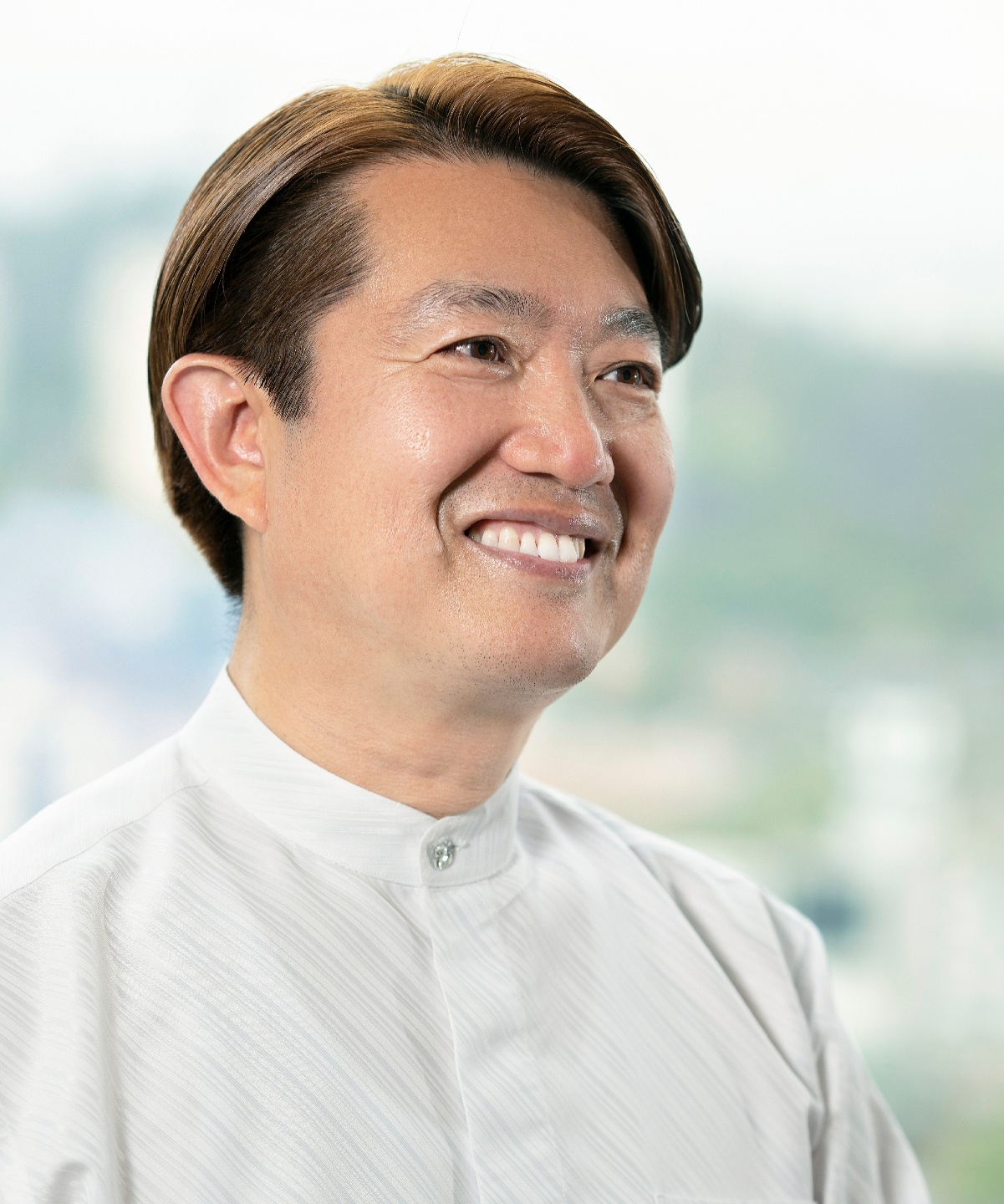
Hojin Kwon
Speaking during a roundtable interview at the Monte-Carlo Television Festival, where he served on the Fiction Jury, Kwon moved easily between industry history, cultural values and the changing habits of global audiences. What emerged was a simple but consistent philosophy: successful content does not necessarily invent something new. More often, it takes familiar ideas and gives them a fresh identity.
That was the thinking behind a recent LinkedIn post that caught the attention of TVBIZZ. Asked about his argument that the biggest winners are those who reinvent genres rather than create them, Kwon described an industry that has always looked outward.
"The Korean industry is very open to the world," he said. "We like to take good ideas and make them better with Korean sentiments and feelings."
For Kwon, the secret lies in combining proven concepts with local culture and emotion. Korean creators, he argued, have become skilled at taking successful storytelling models and reshaping them through Korean and broader Asian sensibilities. "Inventing something new is good, but reinventing it through that kind of synergy can be even better."
The discussion later shifted thousands of miles away from Seoul to Chile, where one journalist described a television channel airing Korean content around the clock, reportedly without subtitles. The revelation genuinely surprised Kwon.
"I am very touched by that," he said, laughing. "I am a little confused about how viewers can understand the story without subtitles. Maybe they are studying Korean."
The popularity of Korean dramas across Latin America does not surprise him nearly as much. In fact, he sees strong similarities between Korean storytelling and the emotional foundations of the telenovela.
"We love romance and we love revenge," he said. "I think Koreans and Latin Americans have something in common in terms of emotions and sentiments."
Years ago, while working at SBS, he even tried introducing Latin American telenovelas to Korean audiences because their storylines felt remarkably familiar. The experiment did not achieve the success he had hoped for, but it reinforced his belief that audiences across continents respond to many of the same emotional triggers.
That conviction also shapes his view of the booming micro-drama sector. While many executives focus on format, budget or platform, Kwon keeps returning to the same point.
"The most important thing is the story," he said. "The second most important thing is also the story."
Whether content is delivered through a traditional television series, a telenovela or a vertical micro-drama, he believes audiences are ultimately searching for the same emotional experience. Love, hate, revenge and reunion remain universal currencies regardless of language, culture or screen size.
"Our backgrounds are different and our histories are different," he noted, "but we feel the same emotions."
Much of Korean drama's appeal, however, comes from elements that are distinctly Korean. Kwon pointed to the influence of Confucian values, which continue to shape storytelling through themes of family, respect and personal sacrifice.
"We place great importance on family," he said. "Sometimes a main character gives up romantic love because they need to follow family traditions."
Those priorities often create a very different rhythm from what viewers encounter in contemporary Western dramas. Kwon drew laughter around the table when he contrasted Korean romances with many modern streaming productions.
"In Western dramas, a man and a woman meet for the first time, fall in love at first sight, and the next scene is in a hotel room."

Korean drama, he argued, takes a slower route. Characters spend time together, learn about one another and gradually build emotional connections. "It takes time even to hold hands," he said. "Before characters kiss, they need time to understand each other and share emotions."
That slower pace, combined with lower levels of explicit violence and sexual content, has helped Korean dramas appeal to both younger viewers and families. According to Kwon, parents know they can generally watch together with their children without worrying about what might suddenly appear on screen.
The conversation inevitably returned to the remarkable international rise of Korean television. Looking back, Kwon still remembers how difficult the early years were.
"For ten years I struggled," he recalled. "Nobody wanted to watch Korean dramas, even in Asia."
At the time, broadcasters across the region were focused on Japanese dramas and Hong Kong films. Korean content was largely ignored until the rapid growth of cable and satellite television created demand for more affordable programming.
"Japanese dramas had become very expensive, so they decided to try Korean dramas," he said. "That was the beginning of the Korean Wave."
Even then, Kwon never imagined Korean content becoming a worldwide phenomenon. He expected success in Asia, but not much beyond it.
The first signs of something larger came through K-pop and YouTube. Global fan communities began translating lyrics, learning Korean and creating subtitles for dramas on their own. Then came the pandemic.
"People were isolated at home and had already watched most of the content they normally watched," Kwon said. "They discovered Korean dramas on streaming platforms and fell in love with them."
He describes the period as a "pandemic paradox" — a moment when lockdowns unexpectedly accelerated the global reach of Korean entertainment.
Another key turning point was Bong Joon-ho's historic Oscar triumph with Parasite. For decades, American audiences had largely resisted subtitled content. Kwon believes that changed when the film won Best Picture.
"When Parasite won Best Picture, many people who normally avoided subtitles became interested in Korean content," he said, recalling Bong's famous remark about overcoming the "one-inch barrier" of subtitles.
Although he acknowledged the enormous impact of Netflix hits such as Squid Game, Kwon also drew a distinction between those productions and the traditional Korean dramas that built the industry's international reputation. The latter, he argued, remain rooted in family, relationships and emotional storytelling rather than spectacle.
After more than 30 years in the business, his conclusion remains unchanged. Technologies evolve, platforms rise and fall, and formats come and go. What ultimately survives is storytelling. "No matter where you are in the world," Kwon said, "people understand love, hate, reunion and revenge. Those emotions belong to all of us."
That was the thinking behind a recent LinkedIn post that caught the attention of TVBIZZ. Asked about his argument that the biggest winners are those who reinvent genres rather than create them, Kwon described an industry that has always looked outward.
"The Korean industry is very open to the world," he said. "We like to take good ideas and make them better with Korean sentiments and feelings."
For Kwon, the secret lies in combining proven concepts with local culture and emotion. Korean creators, he argued, have become skilled at taking successful storytelling models and reshaping them through Korean and broader Asian sensibilities. "Inventing something new is good, but reinventing it through that kind of synergy can be even better."
The discussion later shifted thousands of miles away from Seoul to Chile, where one journalist described a television channel airing Korean content around the clock, reportedly without subtitles. The revelation genuinely surprised Kwon.
"I am very touched by that," he said, laughing. "I am a little confused about how viewers can understand the story without subtitles. Maybe they are studying Korean."
The popularity of Korean dramas across Latin America does not surprise him nearly as much. In fact, he sees strong similarities between Korean storytelling and the emotional foundations of the telenovela.
"We love romance and we love revenge," he said. "I think Koreans and Latin Americans have something in common in terms of emotions and sentiments."
Years ago, while working at SBS, he even tried introducing Latin American telenovelas to Korean audiences because their storylines felt remarkably familiar. The experiment did not achieve the success he had hoped for, but it reinforced his belief that audiences across continents respond to many of the same emotional triggers.
That conviction also shapes his view of the booming micro-drama sector. While many executives focus on format, budget or platform, Kwon keeps returning to the same point.
"The most important thing is the story," he said. "The second most important thing is also the story."
Whether content is delivered through a traditional television series, a telenovela or a vertical micro-drama, he believes audiences are ultimately searching for the same emotional experience. Love, hate, revenge and reunion remain universal currencies regardless of language, culture or screen size.
"Our backgrounds are different and our histories are different," he noted, "but we feel the same emotions."
Much of Korean drama's appeal, however, comes from elements that are distinctly Korean. Kwon pointed to the influence of Confucian values, which continue to shape storytelling through themes of family, respect and personal sacrifice.
"We place great importance on family," he said. "Sometimes a main character gives up romantic love because they need to follow family traditions."
Those priorities often create a very different rhythm from what viewers encounter in contemporary Western dramas. Kwon drew laughter around the table when he contrasted Korean romances with many modern streaming productions.
"In Western dramas, a man and a woman meet for the first time, fall in love at first sight, and the next scene is in a hotel room."
Korean drama, he argued, takes a slower route. Characters spend time together, learn about one another and gradually build emotional connections. "It takes time even to hold hands," he said. "Before characters kiss, they need time to understand each other and share emotions."
That slower pace, combined with lower levels of explicit violence and sexual content, has helped Korean dramas appeal to both younger viewers and families. According to Kwon, parents know they can generally watch together with their children without worrying about what might suddenly appear on screen.
The conversation inevitably returned to the remarkable international rise of Korean television. Looking back, Kwon still remembers how difficult the early years were.
"For ten years I struggled," he recalled. "Nobody wanted to watch Korean dramas, even in Asia."
At the time, broadcasters across the region were focused on Japanese dramas and Hong Kong films. Korean content was largely ignored until the rapid growth of cable and satellite television created demand for more affordable programming.
"Japanese dramas had become very expensive, so they decided to try Korean dramas," he said. "That was the beginning of the Korean Wave."
Even then, Kwon never imagined Korean content becoming a worldwide phenomenon. He expected success in Asia, but not much beyond it.
The first signs of something larger came through K-pop and YouTube. Global fan communities began translating lyrics, learning Korean and creating subtitles for dramas on their own. Then came the pandemic.
"People were isolated at home and had already watched most of the content they normally watched," Kwon said. "They discovered Korean dramas on streaming platforms and fell in love with them."
He describes the period as a "pandemic paradox" — a moment when lockdowns unexpectedly accelerated the global reach of Korean entertainment.
Another key turning point was Bong Joon-ho's historic Oscar triumph with Parasite. For decades, American audiences had largely resisted subtitled content. Kwon believes that changed when the film won Best Picture.
"When Parasite won Best Picture, many people who normally avoided subtitles became interested in Korean content," he said, recalling Bong's famous remark about overcoming the "one-inch barrier" of subtitles.
Although he acknowledged the enormous impact of Netflix hits such as Squid Game, Kwon also drew a distinction between those productions and the traditional Korean dramas that built the industry's international reputation. The latter, he argued, remain rooted in family, relationships and emotional storytelling rather than spectacle.
After more than 30 years in the business, his conclusion remains unchanged. Technologies evolve, platforms rise and fall, and formats come and go. What ultimately survives is storytelling. "No matter where you are in the world," Kwon said, "people understand love, hate, reunion and revenge. Those emotions belong to all of us."