
Making the NEM Events More Relevant and Valuable
This year, NEM Dubrovnik celebrated its biggest ever edition, marking a major milestone in the nearly 15-year history of the industry event focusing on the media business in Central and Eastern Europe. Stanislav Kimchev asked Ivan Ljubičić, Managing Director of Mediavision, about the success of the NEM brand thru the years and the plans to make NEM Dubrovnik and NEM Zagreb even more relevant and valuable to the local players and the international partners.
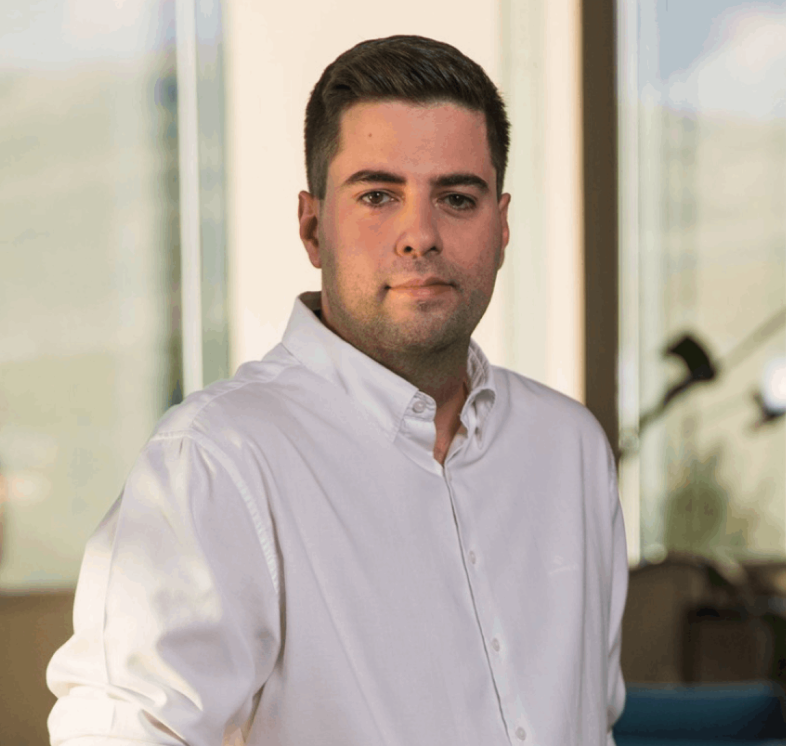
Ivan Ljubičić, Managing Director of Mediavision
Ivan, NEM Dubrovnik 2026 was the biggest edition in the event’s history, with market growth of 50% year on year and more than 300 companies attending. What do you believe was the main driver behind that exceptional growth, and was there a moment when you realized Dubrovnik had outgrown its previous format?
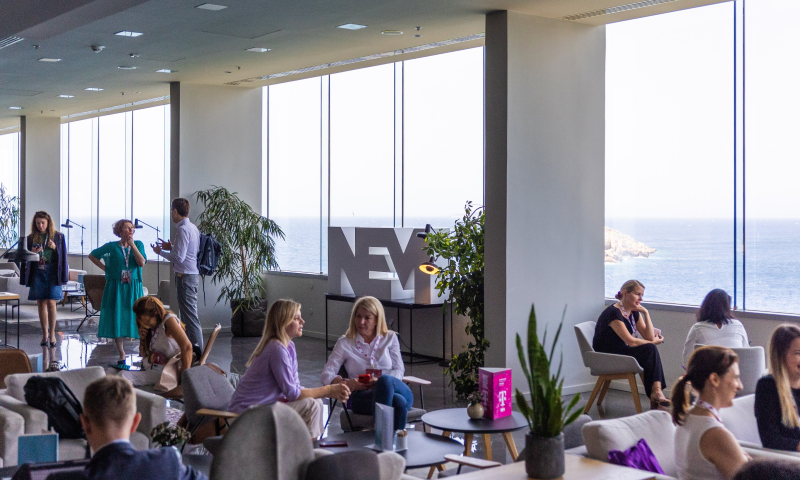
Growth wasn’t driven by a single factor, but by years of building trust and relevance within the industry. Interest from international distributors in CEE buyers and markets has been growing, and NEM has become a place where people come with clear business objectives - meetings, content acquisition, sales and partnerships. It became clear that the previous format was no longer enough once demand surged after NEM Dubrovnik 2025.
You completely sold out the Sunset and Mare Areas and had to introduce the new Adriatic Area to accommodate additional exhibitors and meetings. How much further can NEM Dubrovnik realistically grow before you have to rethink the event’s format altogether?
The goal isn’t to grow simply for the sake of bigger numbers. The venue naturally sets certain physical limits, but so does the need to maintain a high-quality experience. The key question isn’t how many more people can fit into the event, but how to preserve the quality of meetings, access to buyers, and the networking experience.
This year’s Dubrovnik agenda put considerable emphasis on consolidation, new partnerships between broadcasters and global streamers, investment in European originals, YouTube as a distribution opportunity and AI-driven content discovery. Which of these trends do you think will have the most profound impact on the CEE TV business in the next few years?
AI will have a major impact, particularly as an enabler of business efficiency. There’s also consolidation happening in the industry, and the question of who is becoming who.
NEM Dubrovnik has traditionally been a market built around television, but the boundaries between broadcasters, streamers, platforms, creators and digital distributors are becoming increasingly blurred. Are you deliberately repositioning NEM as a broader content and media market rather than a traditional TV market?
Of course, broadcasters, streamers, platforms, creators and distributors increasingly operate within the same ecosystem. The goal isn’t to move away from television, but to broaden the conversation around content, IP and the business models shaping the industry.
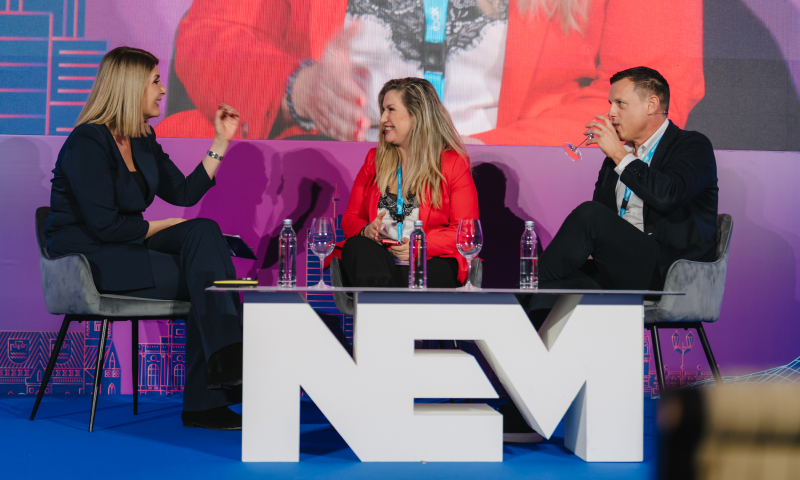
Dubrovnik has become a major meeting point for international distributors and CEE buyers, while Zagreb has a somewhat different character. What is the strategic role of NEM Zagreb within the overall NEM portfolio, and what do you want participants to get in Zagreb that they cannot get in Dubrovnik?
Zagreb is a more creator-focused event, with greater emphasis on ideas, talent and development - it’s actually about the broader content and media market. It connects traditional creatives with new content creators, and it’s the place where we’ll try to inspire all video creators.
NEM Zagreb is increasingly focused on creators and IP development, with the Best Pre-Development TV Series competition alongside the established Best Finished TV Series in the CEE category. Is the ambition for Zagreb to become more of a development and discovery market, where projects can be identified before they reach production?
The ambition is to connect creators and projects with people who can help them develop, finance, and eventually bring them to international audiences. Long term, Zagreb could become a place where projects are discovered before they eventually make it to the screen.
The NEM Awards for Best Finished TV Series in the CEE now evaluate projects not only on creative elements but also on monetization, alongside cast, screenplay and audiovisual presentation. Why was monetization included as a judging criterion, and does this reflect a fundamental change in how successful CEE drama should be evaluated?
Ultimately, both NEM events are business-oriented, which is why we encourage writers and creators to consider the commercial potential of their projects alongside their creative quality. Today, an excellent series is not automatically a sustainable or internationally viable product.
Including monetization as a criterion acknowledges that a successful series also needs a clear understanding of its audience, positioning, distribution potential and ability to generate long-term value. This does not represent a fundamental shift away from creativity. Rather, it broadens the definition of success by recognizing that strong CEE drama should combine creative excellence with the potential to reach audiences and succeed in the international market.
CEE producers increasingly want international recognition, financing and distribution for their local IP, but many still operate in relatively small domestic markets. What are you seeing at NEM that suggests CEE is becoming more attractive to international buyers and investors—and where do you think the region still has to improve?
We all need to dream bigger. Many still develop projects primarily for their home country, without considering neighbouring markets or major European territories. In my opinion, that is the first mistake. International audiences, partnerships, financing and distribution should be considered from the very beginning.
Looking at the two NEM editions together, do you see Dubrovnik and Zagreb becoming complementary events with clearly different identities, or could the rapid growth of Dubrovnik eventually overshadow Zagreb? How do you balance expansion with maintaining the distinctive character of each market?
The two events are complementary, not competing. NEM Dubrovnik covers the broader TV industry, with a strong focus on distribution, technology and business, while NEM Zagreb is dedicated to content creation and inspiring video creators.
Dubrovnik’s growth does not overshadow Zagreb - it strengthens the NEM platform as a whole. We preserve their distinct identities through different topics, formats and target audiences, while creating connections between the business and creative sides of the industry.
After the record Dubrovnik edition, what is the next ambition for NEM? Is the goal primarily to make Dubrovnik and Zagreb bigger, or do you see opportunities to expand the NEM concept into new markets, new formats or new areas of the content business?
Our ambition is not simply to make both events bigger, but to make them more relevant and valuable. NEM Zagreb underwent a major transformation in 2025, and we want to continue developing this fresh strategy focused on inspiring video creators and new areas of content creation.
For NEM Dubrovnik, our priority is the participant experience. After a record edition, the challenge is to maintain the same high level of quality, networking and service with a growing number of attendees. We remain open to new formats and markets, but growth should result from relevance, not become a goal in itself.
Growth wasn’t driven by a single factor, but by years of building trust and relevance within the industry. Interest from international distributors in CEE buyers and markets has been growing, and NEM has become a place where people come with clear business objectives - meetings, content acquisition, sales and partnerships. It became clear that the previous format was no longer enough once demand surged after NEM Dubrovnik 2025.
You completely sold out the Sunset and Mare Areas and had to introduce the new Adriatic Area to accommodate additional exhibitors and meetings. How much further can NEM Dubrovnik realistically grow before you have to rethink the event’s format altogether?
The goal isn’t to grow simply for the sake of bigger numbers. The venue naturally sets certain physical limits, but so does the need to maintain a high-quality experience. The key question isn’t how many more people can fit into the event, but how to preserve the quality of meetings, access to buyers, and the networking experience.
This year’s Dubrovnik agenda put considerable emphasis on consolidation, new partnerships between broadcasters and global streamers, investment in European originals, YouTube as a distribution opportunity and AI-driven content discovery. Which of these trends do you think will have the most profound impact on the CEE TV business in the next few years?
AI will have a major impact, particularly as an enabler of business efficiency. There’s also consolidation happening in the industry, and the question of who is becoming who.
NEM Dubrovnik has traditionally been a market built around television, but the boundaries between broadcasters, streamers, platforms, creators and digital distributors are becoming increasingly blurred. Are you deliberately repositioning NEM as a broader content and media market rather than a traditional TV market?
Of course, broadcasters, streamers, platforms, creators and distributors increasingly operate within the same ecosystem. The goal isn’t to move away from television, but to broaden the conversation around content, IP and the business models shaping the industry.
Dubrovnik has become a major meeting point for international distributors and CEE buyers, while Zagreb has a somewhat different character. What is the strategic role of NEM Zagreb within the overall NEM portfolio, and what do you want participants to get in Zagreb that they cannot get in Dubrovnik?
Zagreb is a more creator-focused event, with greater emphasis on ideas, talent and development - it’s actually about the broader content and media market. It connects traditional creatives with new content creators, and it’s the place where we’ll try to inspire all video creators.
NEM Zagreb is increasingly focused on creators and IP development, with the Best Pre-Development TV Series competition alongside the established Best Finished TV Series in the CEE category. Is the ambition for Zagreb to become more of a development and discovery market, where projects can be identified before they reach production?
The ambition is to connect creators and projects with people who can help them develop, finance, and eventually bring them to international audiences. Long term, Zagreb could become a place where projects are discovered before they eventually make it to the screen.
The NEM Awards for Best Finished TV Series in the CEE now evaluate projects not only on creative elements but also on monetization, alongside cast, screenplay and audiovisual presentation. Why was monetization included as a judging criterion, and does this reflect a fundamental change in how successful CEE drama should be evaluated?
Ultimately, both NEM events are business-oriented, which is why we encourage writers and creators to consider the commercial potential of their projects alongside their creative quality. Today, an excellent series is not automatically a sustainable or internationally viable product.
Including monetization as a criterion acknowledges that a successful series also needs a clear understanding of its audience, positioning, distribution potential and ability to generate long-term value. This does not represent a fundamental shift away from creativity. Rather, it broadens the definition of success by recognizing that strong CEE drama should combine creative excellence with the potential to reach audiences and succeed in the international market.
CEE producers increasingly want international recognition, financing and distribution for their local IP, but many still operate in relatively small domestic markets. What are you seeing at NEM that suggests CEE is becoming more attractive to international buyers and investors—and where do you think the region still has to improve?
We all need to dream bigger. Many still develop projects primarily for their home country, without considering neighbouring markets or major European territories. In my opinion, that is the first mistake. International audiences, partnerships, financing and distribution should be considered from the very beginning.
Looking at the two NEM editions together, do you see Dubrovnik and Zagreb becoming complementary events with clearly different identities, or could the rapid growth of Dubrovnik eventually overshadow Zagreb? How do you balance expansion with maintaining the distinctive character of each market?
The two events are complementary, not competing. NEM Dubrovnik covers the broader TV industry, with a strong focus on distribution, technology and business, while NEM Zagreb is dedicated to content creation and inspiring video creators.
Dubrovnik’s growth does not overshadow Zagreb - it strengthens the NEM platform as a whole. We preserve their distinct identities through different topics, formats and target audiences, while creating connections between the business and creative sides of the industry.
After the record Dubrovnik edition, what is the next ambition for NEM? Is the goal primarily to make Dubrovnik and Zagreb bigger, or do you see opportunities to expand the NEM concept into new markets, new formats or new areas of the content business?
Our ambition is not simply to make both events bigger, but to make them more relevant and valuable. NEM Zagreb underwent a major transformation in 2025, and we want to continue developing this fresh strategy focused on inspiring video creators and new areas of content creation.
For NEM Dubrovnik, our priority is the participant experience. After a record edition, the challenge is to maintain the same high level of quality, networking and service with a growing number of attendees. We remain open to new formats and markets, but growth should result from relevance, not become a goal in itself.