
Lucy Smith: MIPCOM is Evolving
Lucy Smith, Director of MIPCOM CANNES and MIPJunior, tells TVBIZZ Magazine how the MIPCOM agenda has changed this year reflecting on the new realities of the content industry and the new challenges that are shaking up the traditional business models, or as she puts it: "Television is still at its core, but the market now reflects the much larger ecosystem around it."
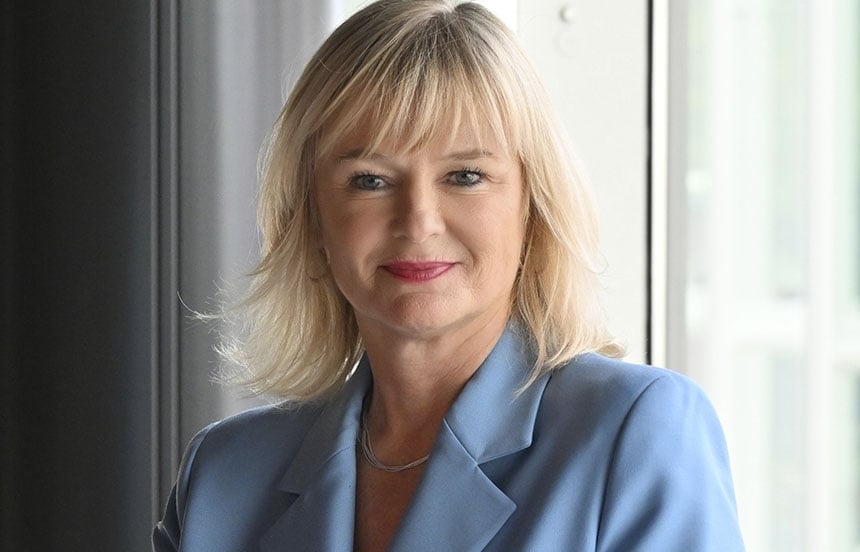
Lucy Smith, Director of MIPCOM CANNES
Lucy, MIPCOM CANNES 2026 seems to be positioning itself as much more than a traditional television market, bringing together broadcasters, streamers, creators, brands and AI companies. How different will the Cannes experience be this year compared with the MIPCOM of five or even two years ago?
The shift you're noticing is very real, and it's something we're seeing across the international content business. Five years ago, it was easier to define television as a relatively contained ecosystem of broadcasters, producers and distributors. Today, those lines are much less distinct. Creators are building production companies, brands are commissioning entertainment, streamers are operating across the content value chain, and technology and AI companies are becoming increasingly involved in how content is developed and distributed. What's interesting is that AI, creators, branded entertainment, vertical content and other areas of change are often discussed as separate trends, when in reality they're increasingly interconnected. What people will experience in Cannes this year is all of those conversations coming together within an established global content marketplace. Television is still at its core, but the market now reflects the much larger ecosystem around it. That's not MIPCOM moving away from television; it's MIPCOM evolving alongside the business we serve.
MIPCOM is launching the MIP AI Entertainment Forum as a major new component of the market. Are we now moving beyond the stage of discussing whether AI will transform the entertainment industry to the point where buyers, producers and distributors need to understand how they can actually make money from it?
What we're seeing is that the AI conversation has moved into a much more practical phase. The question we're hearing now isn't simply what AI could mean for entertainment, but where it can genuinely create value for the industry. That's the thinking behind the MIP AI Entertainment Forum. We're bringing AI innovators together with studios, streamers, producers, creators, brands and IP owners to explore practical applications, from production and workflows to licensing, monetization and new formats. For us, the important thing is to create a forum where the industry can understand what's happening, hear from the people driving that change and explore where sustainable business opportunities may emerge.
The AI program covers creation and storytelling, production and workflow, as well as licensing and commercial opportunities. Which of these areas do you expect to have the most immediate impact on the television business, and which one is currently generating the most interest from MIPCOM participants?
Production and workflow is certainly one of the areas where we're seeing the most immediate interest, particularly around how AI might help businesses work more efficiently and explore new ways of developing and delivering content. But we're also seeing growing interest in the commercial side, particularly around distribution, licensing and emerging studio models. What's striking from our conversations with participants is how quickly the discussion has become more practical: people want to understand where AI can create genuine value for their businesses.
MIP BrandWorks is another major new initiative, bringing brands, agencies, creators, studios and rights holders together around brand-funded storytelling. Is the traditional separation between advertising, branded entertainment and content production disappearing, and could brands increasingly become important commissioners and financiers of IP?
The lines are certainly becoming much more fluid, and we're seeing brands become increasingly active participants in entertainment, not simply advertisers around it. That's precisely why we created MIP BrandWorks. We're bringing brands, agencies, creators, studios and rights holders together because we're seeing real appetite on all sides to explore original IP, audience-building and new commercial models. What's important is that branded entertainment isn't developing in isolation from the rest of the content business. It's increasingly connected to creators, platforms, technology and established producers and rights holders, and MIPCOM provides a marketplace where those communities can actually meet and do business together.
You have described MIPCOM as a place where the industry can turn major changes into actual business, partnerships and deals. In today's much more difficult commissioning and financing environment, what are buyers and distributors telling you they need from the market that they didn't need three years ago?
What we're hearing very clearly is a much greater emphasis on partnerships, whether that's co-production, co-financing, distribution or finding the right partners earlier in the process. Buyers and distributors are being more strategic about where projects come from, how they're financed and how they can travel, and they're looking to the market to help them make those connections. They're also coming to Cannes to understand where new opportunities are emerging, from new forms of IP and new audiences to different commercial models. In a more challenging commissioning and financing environment, that ability to meet the right people and build relationships that can create value over the longer term becomes even more important.