

Beyond Viral Drama: FlareFlow CEO James Wang on Building the Future of Mobile-First Storytelling
FlareFlow CEO James Wang is positioning the company at the forefront of a new phase in mobile-first entertainment with the launch of She Means Justice 2: Breakout, a project that signals a broader strategic shift toward what he calls “Vertical 2.0”. Building on the breakout success of the original series, which surpassed 180 million views, Wang argues that the vertical drama format is now moving beyond viral, one-off storytelling into a more mature ecosystem defined by stronger IP, franchise-building and cinematic production values. In this interview, he discusses how FlareFlow is evolving its creative and commercial model, why audience expectations are pushing the format toward higher-quality, interconnected storytelling, and how data-driven insights, global expansion and genre diversification are shaping the company’s next growth phase.

James Wang, CEO of FlareFlow
James, you have just launched She Means Justice 2: Breakout as part of FlareFlow’s broader “Vertical 2.0” roadmap. How would you define Vertical 2.0, and what fundamentally differentiates it from the first wave of viral microdrama content?
Previously, FlareFlow proved that mobile-first storytelling could achieve massive scale very quickly, driven by speed, strong hooks and highly addictive storytelling mechanics.
For us, Vertical 2.0 is about building a more sustainable entertainment ecosystem around the format. That means stronger IP, higher production standards, richer genre storytelling and longer-term audience engagement. We’re moving from isolated viral titles toward worlds, franchises and recurring audience relationships. People still want fast-paced storytelling, but they also want stronger emotional depth and cinematic quality. We see Vertical 2.0 as the convergence of mobile-native storytelling with more premium entertainment sensibilities.
The original She Means Justice generated more than 180 million views. Why was expanding it into a franchise universe the right next step, and what did you learn from Season 1 that shaped the sequel creatively and strategically?
The response to the first season showed us that audiences connected not just with the plot, but with the emotional world and characters behind it. That’s usually the signal that an IP has the potential to evolve into something bigger.
With Breakout, we wanted to expand the universe while creating a self-contained concept strong enough to stand on its own. The sequel shifts into a prison-break thriller with a much more cinematic scale and intensity.
One major takeaway from Season 1 was that audiences responded strongly to emotionally driven female protagonists overcoming systems of power and injustice. That shaped the emotional core of the sequel.
Much of the early vertical drama boom was built around fast production cycles and one-off storytelling. Why do you believe the industry is now ready for interconnected franchises and long-term IP building?
Every entertainment format evolves in stages. Early on, the focus is scale and experimentation. Over time, audiences begin looking for stronger attachment to characters, worlds and recurring stories.
We’re already seeing that shift happen in vertical drama. Audiences want familiarity, continuity and deeper engagement with the IP itself.
From a business perspective, franchises also create much stronger long-term value through retention, monetisation and brand recognition.
Many streaming companies are now chasing profitability and stronger IP ownership. How central is franchise-building and repeatable universes to FlareFlow’s long-term business model and monetization strategy?
It’s becoming increasingly central. Strong IP creates longer audience lifecycles and allows content to travel more effectively across markets and platforms.
We see franchise-building as a way to move beyond transactional viewing into more durable audience ecosystems. A successful universe can support sequels, spin-offs and expanded genre exploration over time.
In the long term, platforms with recognizable franchises and differentiated IP libraries will have a major advantage.

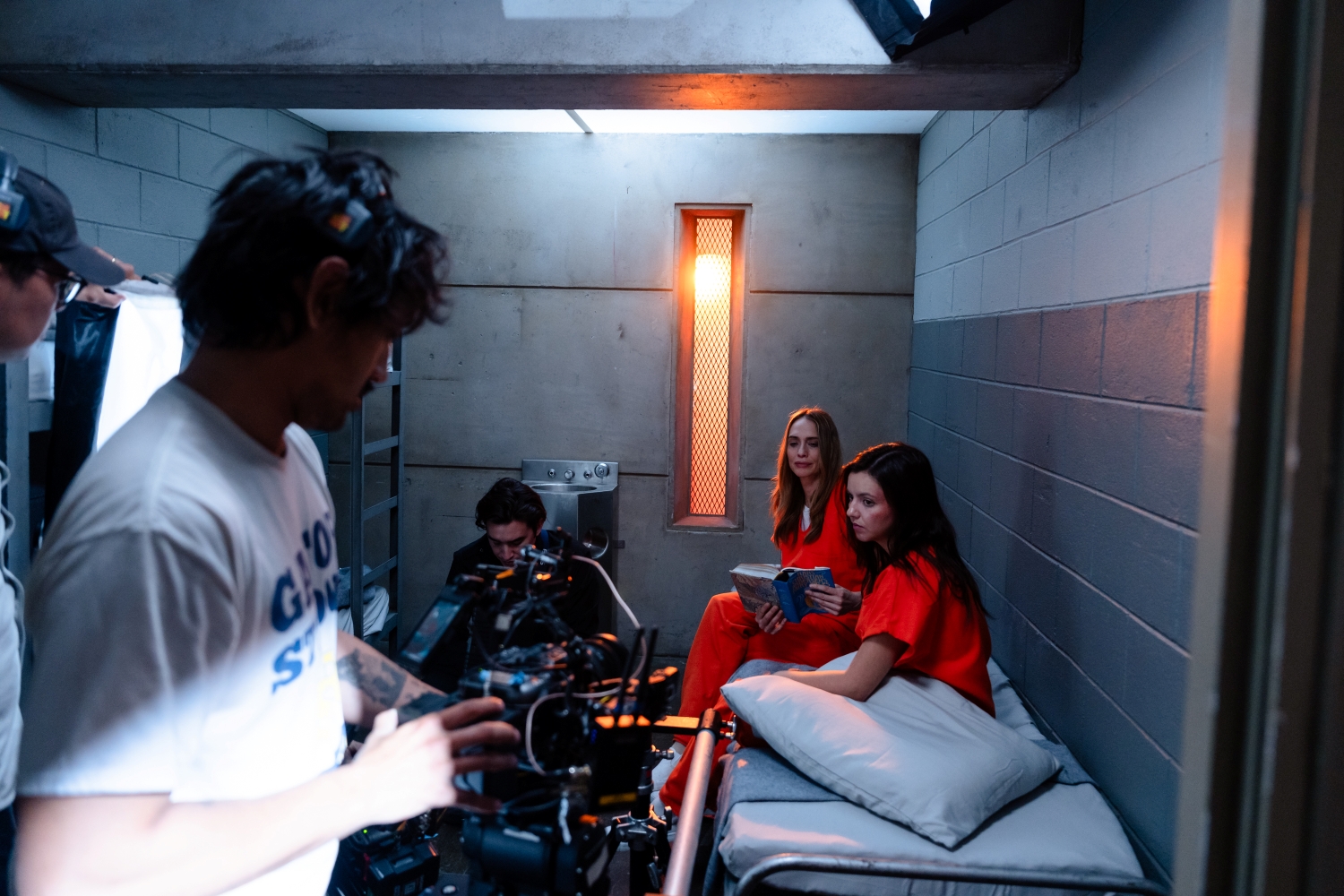
She Means Justice 2 was co-produced with GammaTime and filmed inside a real decommissioned California prison. How important is higher production value and cinematic ambition to the next phase of vertical storytelling?
It’s extremely important. Audiences are becoming much more visually sophisticated, and production quality now plays a major role in immersion and emotional impact. For Breakout, filming inside a real prison immediately changed the atmosphere of the series. The physical environment creates a level of realism and tension that is difficult to replicate artificially.
The format may be short, but audience expectations are no longer small.
You’ve spoken about combining Hollywood genre craftsmanship with FlareFlow’s audience data and distribution engine. How does audience analytics practically influence creative decisions during development and production?
Data helps us understand audience behavior at a granular level, including pacing preferences, emotional engagement patterns and genre affinities across regions. But we don’t use data to replace creativity. We use it to sharpen storytelling decisions.
The goal is to combine creative instinct with audience intelligence in a way that makes stories both emotionally resonant and globally scalable.
FlareFlow has grown to more than 33 million subscribers across 170 countries in just over a year. What types of stories and genres are proving most exportable globally in the vertical format?
Emotion travels globally faster than culture-specific context. Stories built around survival, revenge, ambition, family conflict, romance and justice tend to perform strongly across markets.
What’s interesting now is that audiences are becoming increasingly open to elevated genre storytelling beyond romance. We’re seeing strong traction in thrillers, crime, legal drama and psychological suspense.
High-concept premises with strong emotional engines tend to scale best internationally.
Have you considered expanding your content production to new territories, for example in Central and Eastern Europe or Latin America?
Absolutely. We see vertical storytelling as a truly global entertainment format, and local production will become increasingly important as the market matures. Different regions bring different storytelling traditions and audience sensibilities, which creates exciting creative opportunities. Latin America in particular has a very strong emotional storytelling culture that aligns naturally with vertical drama.
You’ve mentioned moving beyond romance and revenge into thrillers, crime, and elevated genre storytelling. Which genres do you think are still underserved in mobile-first drama, and where do you see the biggest growth opportunities?
There’s still enormous untapped potential in genres like sci-fi, survival thrillers, psychological horror and procedural storytelling.
Historically, many of these genres were considered too difficult or expensive for vertical formats. But production capabilities are evolving quickly, and audiences are becoming more receptive to ambitious concepts.
The biggest opportunity now is combining high-concept genre frameworks with the emotional immediacy that vertical storytelling does extremely well.
Looking ahead, what should the industry expect next from FlareFlow’s Vertical 2.0 strategy over the next 12 to 24 months, and how far do you believe vertical storytelling can evolve as a mainstream entertainment format?
Over the next two years, you’ll see us continue investing in larger-scale IP, premium genre productions and more globally collaborative storytelling models.
We believe vertical drama is still in the early stages of its evolution. Many people still view it as niche or experimental, but we think it has the potential to become a mainstream entertainment category alongside traditional streaming and television.
As the format matures creatively and technically, the gap between “short-form” and “premium entertainment” will continue shrinking very quickly.
Previously, FlareFlow proved that mobile-first storytelling could achieve massive scale very quickly, driven by speed, strong hooks and highly addictive storytelling mechanics.
For us, Vertical 2.0 is about building a more sustainable entertainment ecosystem around the format. That means stronger IP, higher production standards, richer genre storytelling and longer-term audience engagement. We’re moving from isolated viral titles toward worlds, franchises and recurring audience relationships. People still want fast-paced storytelling, but they also want stronger emotional depth and cinematic quality. We see Vertical 2.0 as the convergence of mobile-native storytelling with more premium entertainment sensibilities.
The original She Means Justice generated more than 180 million views. Why was expanding it into a franchise universe the right next step, and what did you learn from Season 1 that shaped the sequel creatively and strategically?
The response to the first season showed us that audiences connected not just with the plot, but with the emotional world and characters behind it. That’s usually the signal that an IP has the potential to evolve into something bigger.
With Breakout, we wanted to expand the universe while creating a self-contained concept strong enough to stand on its own. The sequel shifts into a prison-break thriller with a much more cinematic scale and intensity.
One major takeaway from Season 1 was that audiences responded strongly to emotionally driven female protagonists overcoming systems of power and injustice. That shaped the emotional core of the sequel.
Much of the early vertical drama boom was built around fast production cycles and one-off storytelling. Why do you believe the industry is now ready for interconnected franchises and long-term IP building?
Every entertainment format evolves in stages. Early on, the focus is scale and experimentation. Over time, audiences begin looking for stronger attachment to characters, worlds and recurring stories.
We’re already seeing that shift happen in vertical drama. Audiences want familiarity, continuity and deeper engagement with the IP itself.
From a business perspective, franchises also create much stronger long-term value through retention, monetisation and brand recognition.
Many streaming companies are now chasing profitability and stronger IP ownership. How central is franchise-building and repeatable universes to FlareFlow’s long-term business model and monetization strategy?
It’s becoming increasingly central. Strong IP creates longer audience lifecycles and allows content to travel more effectively across markets and platforms.
We see franchise-building as a way to move beyond transactional viewing into more durable audience ecosystems. A successful universe can support sequels, spin-offs and expanded genre exploration over time.
In the long term, platforms with recognizable franchises and differentiated IP libraries will have a major advantage.
She Means Justice 2 Breakout
She Means Justice 2 was co-produced with GammaTime and filmed inside a real decommissioned California prison. How important is higher production value and cinematic ambition to the next phase of vertical storytelling?
It’s extremely important. Audiences are becoming much more visually sophisticated, and production quality now plays a major role in immersion and emotional impact. For Breakout, filming inside a real prison immediately changed the atmosphere of the series. The physical environment creates a level of realism and tension that is difficult to replicate artificially.
The format may be short, but audience expectations are no longer small.
You’ve spoken about combining Hollywood genre craftsmanship with FlareFlow’s audience data and distribution engine. How does audience analytics practically influence creative decisions during development and production?
Data helps us understand audience behavior at a granular level, including pacing preferences, emotional engagement patterns and genre affinities across regions. But we don’t use data to replace creativity. We use it to sharpen storytelling decisions.
The goal is to combine creative instinct with audience intelligence in a way that makes stories both emotionally resonant and globally scalable.
FlareFlow has grown to more than 33 million subscribers across 170 countries in just over a year. What types of stories and genres are proving most exportable globally in the vertical format?
Emotion travels globally faster than culture-specific context. Stories built around survival, revenge, ambition, family conflict, romance and justice tend to perform strongly across markets.
What’s interesting now is that audiences are becoming increasingly open to elevated genre storytelling beyond romance. We’re seeing strong traction in thrillers, crime, legal drama and psychological suspense.
High-concept premises with strong emotional engines tend to scale best internationally.
Have you considered expanding your content production to new territories, for example in Central and Eastern Europe or Latin America?
Absolutely. We see vertical storytelling as a truly global entertainment format, and local production will become increasingly important as the market matures. Different regions bring different storytelling traditions and audience sensibilities, which creates exciting creative opportunities. Latin America in particular has a very strong emotional storytelling culture that aligns naturally with vertical drama.
Behind the scenes: She Means Justice 2 Breakout
You’ve mentioned moving beyond romance and revenge into thrillers, crime, and elevated genre storytelling. Which genres do you think are still underserved in mobile-first drama, and where do you see the biggest growth opportunities?
There’s still enormous untapped potential in genres like sci-fi, survival thrillers, psychological horror and procedural storytelling.
Historically, many of these genres were considered too difficult or expensive for vertical formats. But production capabilities are evolving quickly, and audiences are becoming more receptive to ambitious concepts.
The biggest opportunity now is combining high-concept genre frameworks with the emotional immediacy that vertical storytelling does extremely well.
Looking ahead, what should the industry expect next from FlareFlow’s Vertical 2.0 strategy over the next 12 to 24 months, and how far do you believe vertical storytelling can evolve as a mainstream entertainment format?
Over the next two years, you’ll see us continue investing in larger-scale IP, premium genre productions and more globally collaborative storytelling models.
We believe vertical drama is still in the early stages of its evolution. Many people still view it as niche or experimental, but we think it has the potential to become a mainstream entertainment category alongside traditional streaming and television.
As the format matures creatively and technically, the gap between “short-form” and “premium entertainment” will continue shrinking very quickly.