

Ella Bruccoleri on finding Mary Bennet's voice in The Other Bennet Sister
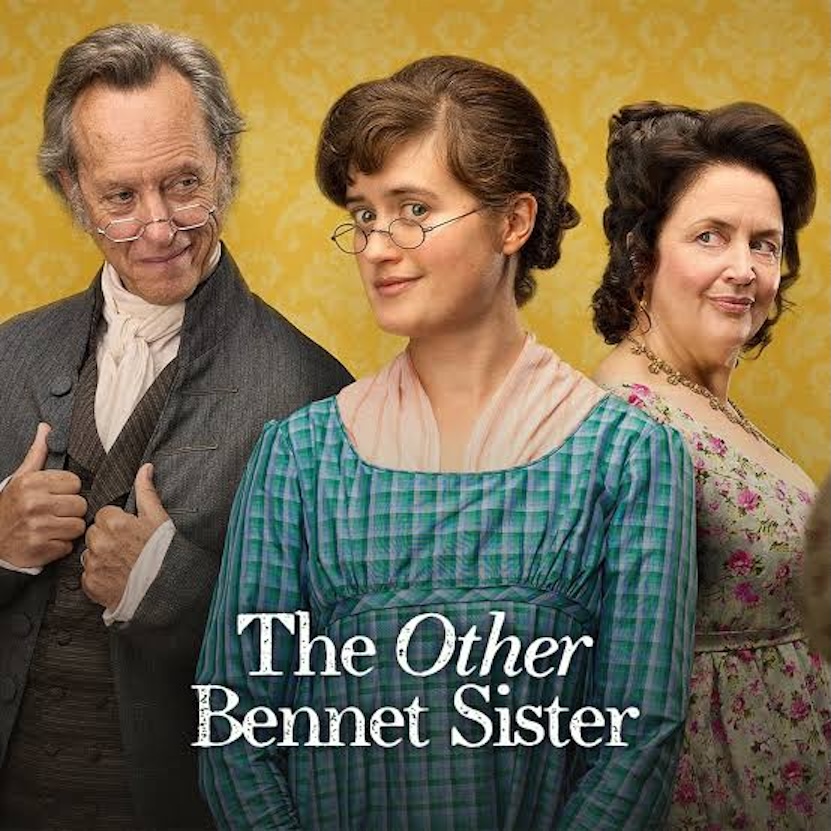
Mary Bennet has long existed on the margins of Jane Austen's Pride and Prejudice: the awkward middle sister, more comfortable with books than ballroom flirtations, often remembered for her earnestness rather than her charm. But in The Other Bennet Sister, Ella Bruccoleri finally brings Mary to the centre of the story.

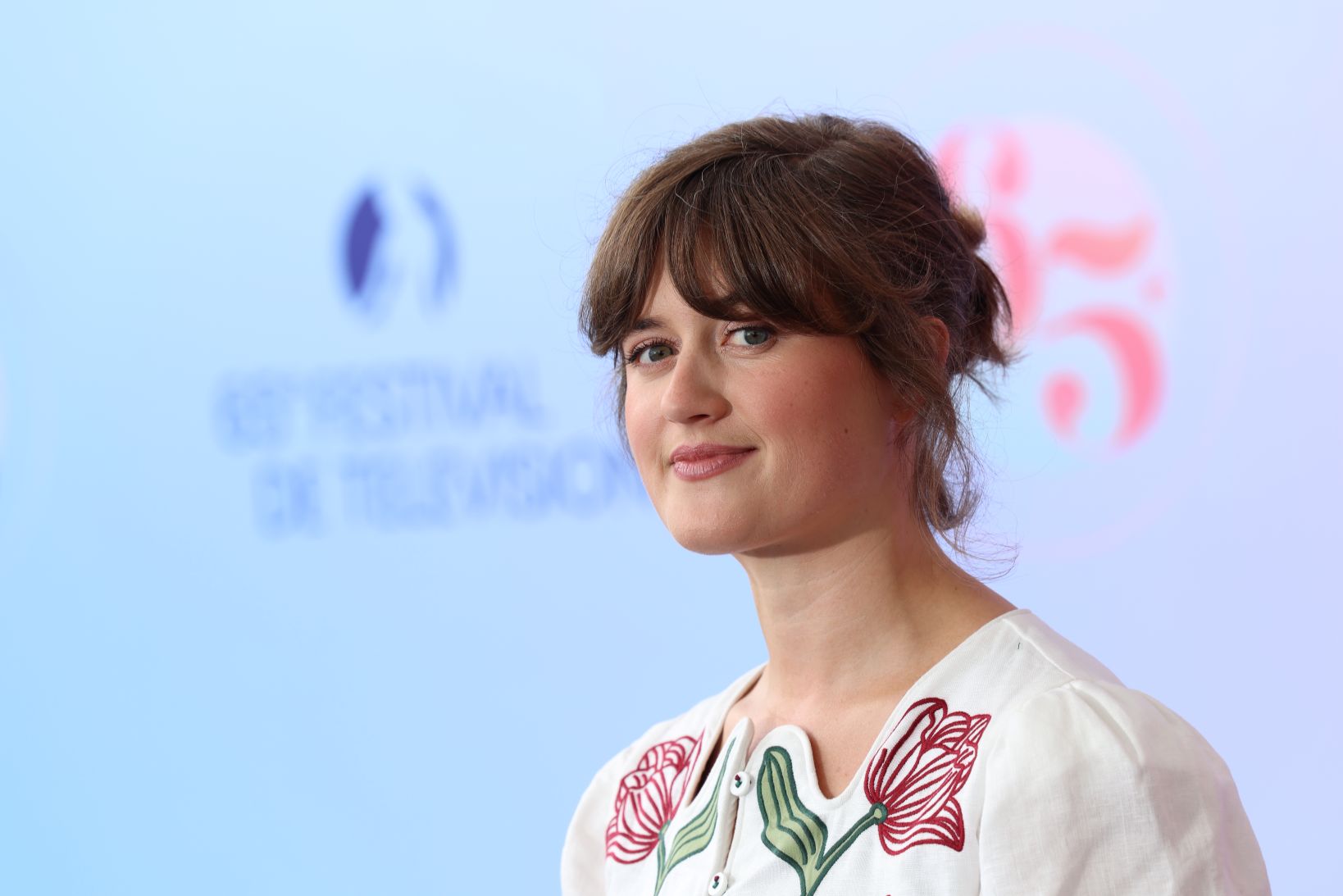
Ella Bruccoleri
Airing on BBC One and BBC iPlayer in the UK, with BritBox carrying the series in the United States and Canada, the ten-part drama is produced by Bad Wolf in association with the BBC and BritBox. Sony Pictures Television handles international distribution. The series is adapted from Janice Hadlow's 2020 novel The Other Bennet Sister, itself a reimagining of Austen's world through the eyes of the overlooked Bennet daughter.
Speaking during a recent roundtable interview at the Monte-Carlo Television Festival where the series was part of the competition, Bruccoleri reflected on Mary's emotional journey, the challenges of leading a period drama, and why this seemingly difficult heroine feels so relevant to contemporary audiences.
"You have seen only the first episode," Bruccoleri said to the journalists, hinting at the evolution still to come. "It does change quite a bit tonally. From episode three, it really changes in environment because she isn't with her family anymore. She's in London... And then the final five episodes, because the first ones are directed by Jennifer Sheridan, the second ones are directed by Asim Abassi, and shot by different people, Luke Bryant and Simona, and they look and feel quite different. “
The shift away from Longbourn offers Mary a chance to breathe. The oppressive dynamic with her mother gives way to new intellectual connections and a growing sense of freedom.
"You see her go on this journey where she's able to connect more with people intellectually," Bruccoleri explained. "She finds counterparts, and she's able to be more vocal."
One of the defining moments arrives early in the series, when Mary's brief interaction with a young man at the ball is cut short by her mother's interference. While it may appear minor, Bruccoleri believes it becomes foundational to Mary's development.
"I honestly think that moment is one of the biggest in the entire series," she said. "In the book she keeps on coming back to that moment."
Mary carries guilt throughout her life, she noted, dwelling on the possibility that she may have harmed someone through a misguided attempt to do the right thing.
"She kind of overthinks stuff," Bruccoleri said. "She's constantly feeling like she hurt another human being irreparably."
That tendency toward self-recrimination becomes one of the character's most recognizable traits. Yet Bruccoleri never sought to soften Mary for audiences.
"I think she's such an uncomfortable protagonist," she admitted. "If Mary Bennet knew that she was the lead character in a TV show, she would not be comfortable with it."
Instead, the production embraced Mary's awkwardness. In the early episodes, when dialogue is sparse, the camera itself becomes a storytelling device.
"The team did an incredible job," Bruccoleri said. "You have these lingering shots and these push-ins where you're seeing what's behind her eyes, but she's not actually saying anything."
As the series progresses, Mary gradually learns to articulate what she feels, both to others and to herself.
Bruccoleri also addressed the question of why audiences are ready for Mary's story now.
"We're seeing more and more of these unlikable female characters on screen," she observed, though she admitted she dislikes the label. "She's really preachy and she's a know-it-all and she's full of facts and she's slouchy. She's not this charming, witty woman on screen."
For Bruccoleri, that complexity is precisely the point.
"You don't have to soften or feminize yourself in order to be seen as appealing," she said. "I think that feels like a really important message."
Although The Other Bennet Sister inhabits Austen's Regency world, Bruccoleri believes Mary's mindset feels strikingly modern.
Working with etiquette and movement coach Lucy Pankhurst, she learned the countless social rules governing women's behavior during the period. Yet she realized Mary would instinctively challenge many of them.
"Unless it's logical, then there's no real reason to do it," she explained. "She doesn't just go along with the rules of the game because they exist."
That refusal to conform allows Mary to transcend her historical setting.
"She feels like she could sort of exist now," Bruccoleri said. "She's just sort of an alien in this era."
The actress also spoke candidly about her own introversion and how it has informed her approach to performance.
"I used to really struggle with being an introvert," she revealed. "I thought it meant that you were shy or quiet or a little bit of an outsider."
With time, however, she has come to view it differently.
"Now I sort of see it as my superpower," Bruccoleri said. "It means that you get to observe things and people more. Staying quiet is not a bad thing."
The same observational quality defines Mary's appeal. She notices what others miss, even if she often doubts herself in the process.
Asked whether leading a series changed her perspective on being "number one on the call sheet," Bruccoleri credited the atmosphere created by the production team.
"Our show did not feel hierarchical at all," she said. "Everyone felt very safe and it was a very kind environment."
As for whether Mary's story could continue beyond this first outing, Bruccoleri remained cautious but optimistic.
"The reaction to it has been so strong that obviously they're going to be thinking about whether it's right to do more," she said. "I think those conversations are happening."
For now, though, The Other Bennet Sister accomplishes something quietly radical. It asks audiences to reconsider a character history dismissed as peripheral and discover the richness that was there all along.
In Bruccoleri's hands, Mary Bennet is no longer simply "the other" sister. She is awkward, intelligent, frustrating, compassionate and searching. Most importantly, she is finally allowed to tell her own story.
Speaking during a recent roundtable interview at the Monte-Carlo Television Festival where the series was part of the competition, Bruccoleri reflected on Mary's emotional journey, the challenges of leading a period drama, and why this seemingly difficult heroine feels so relevant to contemporary audiences.
"You have seen only the first episode," Bruccoleri said to the journalists, hinting at the evolution still to come. "It does change quite a bit tonally. From episode three, it really changes in environment because she isn't with her family anymore. She's in London... And then the final five episodes, because the first ones are directed by Jennifer Sheridan, the second ones are directed by Asim Abassi, and shot by different people, Luke Bryant and Simona, and they look and feel quite different. “
The shift away from Longbourn offers Mary a chance to breathe. The oppressive dynamic with her mother gives way to new intellectual connections and a growing sense of freedom.
"You see her go on this journey where she's able to connect more with people intellectually," Bruccoleri explained. "She finds counterparts, and she's able to be more vocal."
One of the defining moments arrives early in the series, when Mary's brief interaction with a young man at the ball is cut short by her mother's interference. While it may appear minor, Bruccoleri believes it becomes foundational to Mary's development.
"I honestly think that moment is one of the biggest in the entire series," she said. "In the book she keeps on coming back to that moment."
Mary carries guilt throughout her life, she noted, dwelling on the possibility that she may have harmed someone through a misguided attempt to do the right thing.
"She kind of overthinks stuff," Bruccoleri said. "She's constantly feeling like she hurt another human being irreparably."
That tendency toward self-recrimination becomes one of the character's most recognizable traits. Yet Bruccoleri never sought to soften Mary for audiences.
"I think she's such an uncomfortable protagonist," she admitted. "If Mary Bennet knew that she was the lead character in a TV show, she would not be comfortable with it."
Instead, the production embraced Mary's awkwardness. In the early episodes, when dialogue is sparse, the camera itself becomes a storytelling device.
"The team did an incredible job," Bruccoleri said. "You have these lingering shots and these push-ins where you're seeing what's behind her eyes, but she's not actually saying anything."
As the series progresses, Mary gradually learns to articulate what she feels, both to others and to herself.
Bruccoleri also addressed the question of why audiences are ready for Mary's story now.
"We're seeing more and more of these unlikable female characters on screen," she observed, though she admitted she dislikes the label. "She's really preachy and she's a know-it-all and she's full of facts and she's slouchy. She's not this charming, witty woman on screen."
For Bruccoleri, that complexity is precisely the point.
"You don't have to soften or feminize yourself in order to be seen as appealing," she said. "I think that feels like a really important message."
Although The Other Bennet Sister inhabits Austen's Regency world, Bruccoleri believes Mary's mindset feels strikingly modern.
Working with etiquette and movement coach Lucy Pankhurst, she learned the countless social rules governing women's behavior during the period. Yet she realized Mary would instinctively challenge many of them.
"Unless it's logical, then there's no real reason to do it," she explained. "She doesn't just go along with the rules of the game because they exist."
That refusal to conform allows Mary to transcend her historical setting.
"She feels like she could sort of exist now," Bruccoleri said. "She's just sort of an alien in this era."
The actress also spoke candidly about her own introversion and how it has informed her approach to performance.
"I used to really struggle with being an introvert," she revealed. "I thought it meant that you were shy or quiet or a little bit of an outsider."
With time, however, she has come to view it differently.
"Now I sort of see it as my superpower," Bruccoleri said. "It means that you get to observe things and people more. Staying quiet is not a bad thing."
The same observational quality defines Mary's appeal. She notices what others miss, even if she often doubts herself in the process.
Asked whether leading a series changed her perspective on being "number one on the call sheet," Bruccoleri credited the atmosphere created by the production team.
"Our show did not feel hierarchical at all," she said. "Everyone felt very safe and it was a very kind environment."
As for whether Mary's story could continue beyond this first outing, Bruccoleri remained cautious but optimistic.
"The reaction to it has been so strong that obviously they're going to be thinking about whether it's right to do more," she said. "I think those conversations are happening."
For now, though, The Other Bennet Sister accomplishes something quietly radical. It asks audiences to reconsider a character history dismissed as peripheral and discover the richness that was there all along.
In Bruccoleri's hands, Mary Bennet is no longer simply "the other" sister. She is awkward, intelligent, frustrating, compassionate and searching. Most importantly, she is finally allowed to tell her own story.