
Digital storytelling takes center stage at Monte-Carlo TV Festival
The launch of the Digital Competition at the 65th Monte-Carlo Television Festival reflects a growing reality across the global entertainment business: some of the industry's most valuable intellectual property is no longer being developed by traditional broadcasters or studios, but by creators building audiences online.
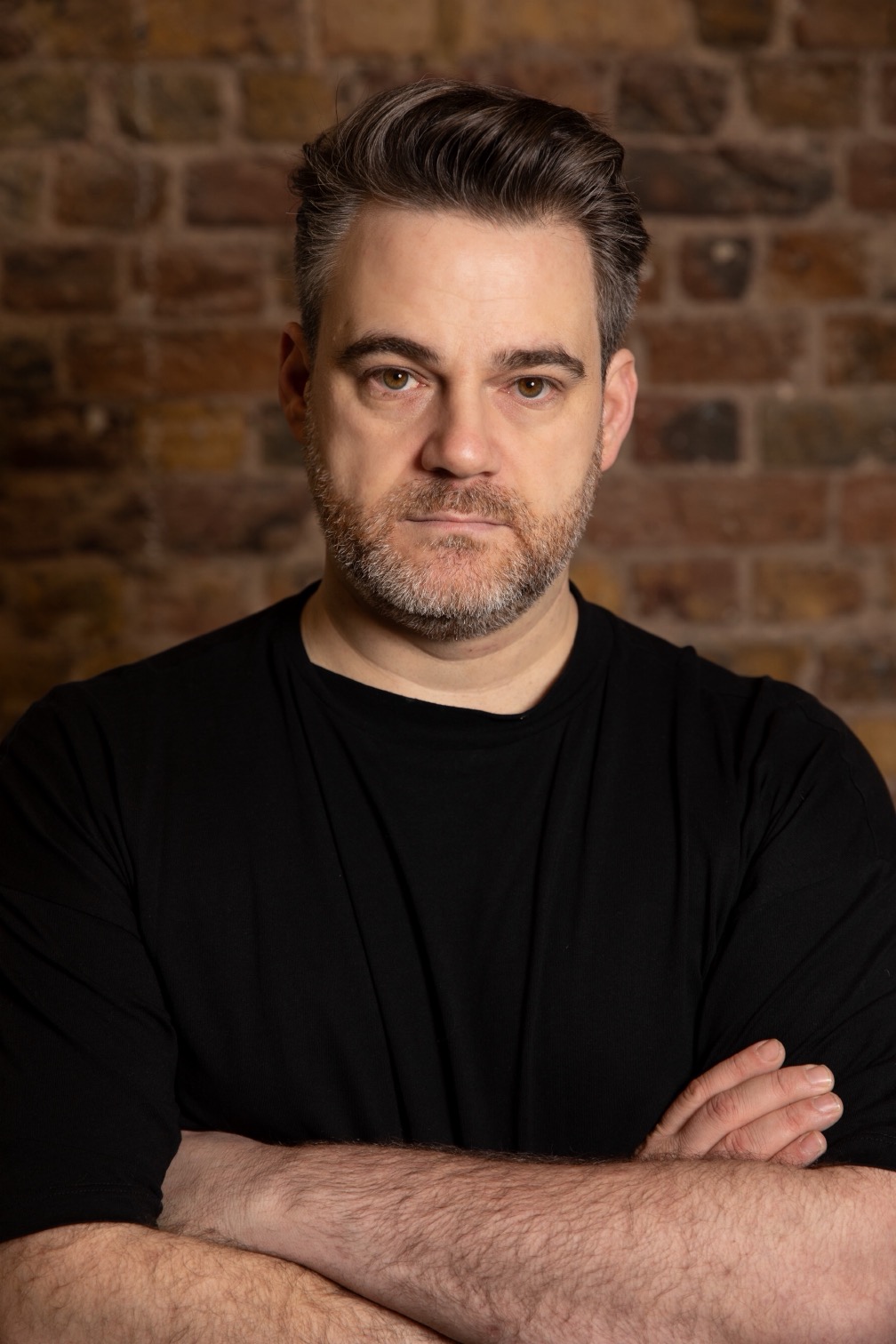
Luke Hyams
That shift was at the center of separate roundtable discussions with Susanne Daniels, President of the Digital Jury and former Global Head of Original Content at YouTube, and fellow juror Luke Hyams, founder of Pangaea and former Head of YouTube Originals EMEA. Drawing on decades of experience spanning broadcast television, streaming and digital media, both executives offered insights into the changing relationship between creators, platforms and audiences.
For Hyams, the creation of a dedicated digital competition at Monte-Carlo represents an important milestone for the industry. "I think it's a wonderful development and I'm really excited about what it means for opportunities to bring forth new talent, new formats, and new forms of storytelling through to the Festival, " he said. "There is such a huge surge in creativity now on online platforms that has been brought about by how technology has meritocratised distribution.”
According to Hyams, digital platforms have removed many of the traditional barriers that once prevented new voices from reaching audiences. "There are so many voices who would previously have been held back by gatekeepers who are being now free to tell their stories in their voice, how they want to, unfiltered."
While only a small number of projects ultimately become global successes, he pointed to creator-driven titles such as Obsessions, Backrooms and Iron Lung as examples of digital-native properties successfully breaking through to mainstream entertainment.
The summer of 2026 has been utterly dominated by two independent horror phenomena born on YouTube: Curry Barker’s Obsession (which pulled over $250 million globally on a budget of less than $1 million) and Kane Parsons' Backrooms (which shattered records as A24’s highest-grossing film at $240.8 million).
Asked by TVBIZZ whether YouTube had missed an opportunity by not becoming more directly involved in projects such as Obsessions and Backrooms, Daniels said she believed the platform failed to fully capitalize on the creative ecosystem it helped build. "I do," Daniels said. “Neil Mohan's point was that YouTube should be a place for creators to put their own stuff up. And that is only what it is. And this has us come full circle to regulations... But I think that there's room for both on YouTube."
She argued that YouTube should not limit itself solely to being a platform for creators to upload content independently and predicted the company would eventually return to commissioning original productions. "I predict and hope for YouTube's sake that they go back to original content."
Daniels revealed that one of the challenges she faced during her years overseeing YouTube Originals was convincing the company to think like a content business rather than a technology platform. While she believes YouTube mishandled its original content strategy, she said premium programming can strengthen a platform when properly integrated.
The former executive pointed to Cobra Kai as an example of a project whose potential was never fully leveraged inside Google and YouTube despite its eventual success. "I knew it was a very special show," she said, recalling her frustration at not being able to use the series more strategically across Google's broader ecosystem.
Hyams offered a similar assessment of how digital creators are becoming increasingly important sources of intellectual property. He argued that traditional studios have largely exhausted many of their conventional sources of adaptation material. "They've gone through all of the comic books, they've gone through all the video games, they've remade all their own movies, so where do they look now? They look at the things that are popular online."
What makes creator-led properties particularly attractive, he suggested, is the active involvement of audiences in their development. "The people who are fans of Backrooms from the beginning feel like they were integral in helping that be able to be grown to the level that it has been grown."
That close relationship between creators and audiences was a recurring theme throughout both discussions. Asked about the biggest misconception executives have regarding what people want to watch and how they want to watch it, Daniels cautioned against believing that success can be predicted through data alone. "I don't even think the audiences themselves know exactly what they want to watch," she said.
Drawing on her experience overseeing hundreds of television projects, Daniels argued that hit-making remains an inherently uncertain process. "I don't think anyone can predict exactly what people want to watch."
She cited the failure of audience-voted pilot experiments and the long history of networks launching dozens of shows in the hope that only a handful become successful. For that reason, she believes executives must continue taking creative risks rather than relying entirely on algorithms. "I don't think an algorithm can fully appreciate the nature of content that will resonate with audiences."
Hyams agreed that understanding audiences requires more than analytics. He believes many broadcasters and studios are finally recognizing that creators often understand their communities better than traditional media executives. "The creators know their audience, know the community that they've built better than anyone else."
He contrasted current attitudes with earlier attempts to simply place YouTubers into conventional television formats."People were trying to just pluck out YouTubers and put them in traditional TV formats or traditional movies and that's not working."
Instead, successful collaborations increasingly allow creators to maintain their voice and relationship with their audience. As an example, Hyams cited Netflix's collaboration with the British collective The Sidemen, whose reality format Inside was allowed to retain its original tone and creative approach. "Netflix stood back and let them still have creative control," he said.
The changing role of creators has also raised new questions around intellectual property ownership. Asked by TVBIZZ what advice he would give creators negotiating with major studios and streamers, Hyams acknowledged that retaining rights remains one of the industry's biggest challenges. "Obviously, I'd say to people to retain their rights, to retain their IP. But it's very difficult with the deals the streamers are doing at the moment."
Many creators, he noted, willingly sacrifice ownership in exchange for exposure and access to larger opportunities. "I've seen a lot of YouTubers who, to elevate themselves, will do a bad deal with somebody like Netflix because they know that that puts them in a greater position to be able to earn and do better deals next time."
The discussions also explored how traditional broadcasters and streamers are adapting to YouTube's growing influence. Daniels argued that cooperation with YouTube is now unavoidable. "I think you have to be in business with YouTube today, fortunately or unfortunately."
She pointed to examples such as Netflix, which initially resisted the platform but later embraced it as a marketing and audience-building tool. "I think the power of YouTube to build an audience will affect all broadcasters, not just BBC, and streamers."
In fact, Daniels believes YouTube has become the most powerful entertainment distribution platform in the world. "Yes, I think it is."
At the same time, she sees streamers increasingly adopting traditional television practices after years of positioning themselves as disruptors. "They've almost become more of a traditional mindset," she said of major streaming services, noting the growing reliance on advertising-supported tiers and weekly release schedules.
Daniels also expressed concern about continued consolidation across the media industry. While mergers may improve financial efficiency, she argued they can reduce creative diversity. "What I don't like about the mergers is that it limits the amount of filters that allow content to go through and get on the air." As fewer companies control larger portions of the market, she warned that distinctive voices and unconventional ideas may find fewer opportunities.
For Hyams, however, the future remains remarkably open. Rather than chasing broad trends, he encouraged creators to focus on highly specific communities and interests. "It's not one thing," he said when asked what kinds of content are currently in demand.
Instead, success increasingly comes from serving passionate niche audiences and building authentic relationships with them. "I think it's as much passion as possible."
Together, Daniels and Hyams painted a picture of an entertainment industry entering a new phase, one in which creators, communities and digital platforms are becoming central to how intellectual property is discovered, developed and distributed. As Monte-Carlo officially embraces digital storytelling through its new competition, both jurors suggested that the next major global franchise may emerge not from a studio lot or television network, but from a creator who first found an audience online.
For Hyams, the creation of a dedicated digital competition at Monte-Carlo represents an important milestone for the industry. "I think it's a wonderful development and I'm really excited about what it means for opportunities to bring forth new talent, new formats, and new forms of storytelling through to the Festival, " he said. "There is such a huge surge in creativity now on online platforms that has been brought about by how technology has meritocratised distribution.”
According to Hyams, digital platforms have removed many of the traditional barriers that once prevented new voices from reaching audiences. "There are so many voices who would previously have been held back by gatekeepers who are being now free to tell their stories in their voice, how they want to, unfiltered."
While only a small number of projects ultimately become global successes, he pointed to creator-driven titles such as Obsessions, Backrooms and Iron Lung as examples of digital-native properties successfully breaking through to mainstream entertainment.
The summer of 2026 has been utterly dominated by two independent horror phenomena born on YouTube: Curry Barker’s Obsession (which pulled over $250 million globally on a budget of less than $1 million) and Kane Parsons' Backrooms (which shattered records as A24’s highest-grossing film at $240.8 million).
Asked by TVBIZZ whether YouTube had missed an opportunity by not becoming more directly involved in projects such as Obsessions and Backrooms, Daniels said she believed the platform failed to fully capitalize on the creative ecosystem it helped build. "I do," Daniels said. “Neil Mohan's point was that YouTube should be a place for creators to put their own stuff up. And that is only what it is. And this has us come full circle to regulations... But I think that there's room for both on YouTube."
She argued that YouTube should not limit itself solely to being a platform for creators to upload content independently and predicted the company would eventually return to commissioning original productions. "I predict and hope for YouTube's sake that they go back to original content."
Daniels revealed that one of the challenges she faced during her years overseeing YouTube Originals was convincing the company to think like a content business rather than a technology platform. While she believes YouTube mishandled its original content strategy, she said premium programming can strengthen a platform when properly integrated.
The former executive pointed to Cobra Kai as an example of a project whose potential was never fully leveraged inside Google and YouTube despite its eventual success. "I knew it was a very special show," she said, recalling her frustration at not being able to use the series more strategically across Google's broader ecosystem.
Hyams offered a similar assessment of how digital creators are becoming increasingly important sources of intellectual property. He argued that traditional studios have largely exhausted many of their conventional sources of adaptation material. "They've gone through all of the comic books, they've gone through all the video games, they've remade all their own movies, so where do they look now? They look at the things that are popular online."
What makes creator-led properties particularly attractive, he suggested, is the active involvement of audiences in their development. "The people who are fans of Backrooms from the beginning feel like they were integral in helping that be able to be grown to the level that it has been grown."
That close relationship between creators and audiences was a recurring theme throughout both discussions. Asked about the biggest misconception executives have regarding what people want to watch and how they want to watch it, Daniels cautioned against believing that success can be predicted through data alone. "I don't even think the audiences themselves know exactly what they want to watch," she said.
Drawing on her experience overseeing hundreds of television projects, Daniels argued that hit-making remains an inherently uncertain process. "I don't think anyone can predict exactly what people want to watch."
She cited the failure of audience-voted pilot experiments and the long history of networks launching dozens of shows in the hope that only a handful become successful. For that reason, she believes executives must continue taking creative risks rather than relying entirely on algorithms. "I don't think an algorithm can fully appreciate the nature of content that will resonate with audiences."
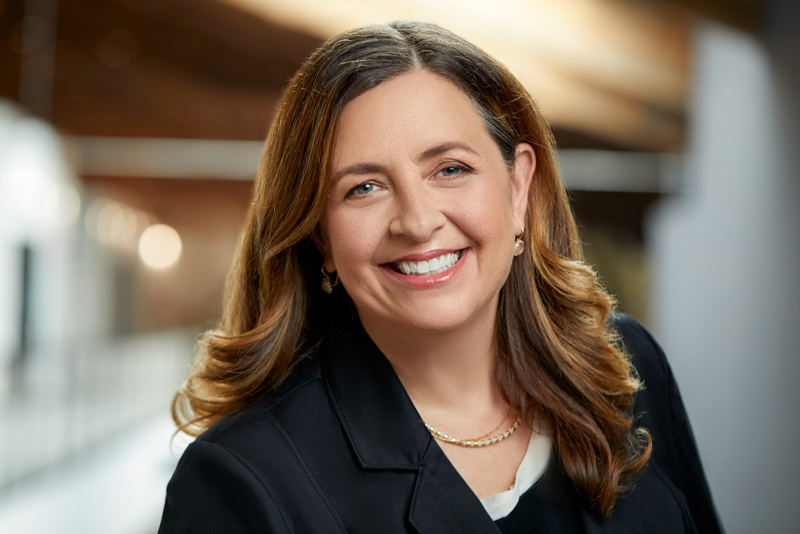
Suzanne Daniels
Hyams agreed that understanding audiences requires more than analytics. He believes many broadcasters and studios are finally recognizing that creators often understand their communities better than traditional media executives. "The creators know their audience, know the community that they've built better than anyone else."
He contrasted current attitudes with earlier attempts to simply place YouTubers into conventional television formats."People were trying to just pluck out YouTubers and put them in traditional TV formats or traditional movies and that's not working."
Instead, successful collaborations increasingly allow creators to maintain their voice and relationship with their audience. As an example, Hyams cited Netflix's collaboration with the British collective The Sidemen, whose reality format Inside was allowed to retain its original tone and creative approach. "Netflix stood back and let them still have creative control," he said.
The changing role of creators has also raised new questions around intellectual property ownership. Asked by TVBIZZ what advice he would give creators negotiating with major studios and streamers, Hyams acknowledged that retaining rights remains one of the industry's biggest challenges. "Obviously, I'd say to people to retain their rights, to retain their IP. But it's very difficult with the deals the streamers are doing at the moment."
Many creators, he noted, willingly sacrifice ownership in exchange for exposure and access to larger opportunities. "I've seen a lot of YouTubers who, to elevate themselves, will do a bad deal with somebody like Netflix because they know that that puts them in a greater position to be able to earn and do better deals next time."
The discussions also explored how traditional broadcasters and streamers are adapting to YouTube's growing influence. Daniels argued that cooperation with YouTube is now unavoidable. "I think you have to be in business with YouTube today, fortunately or unfortunately."
She pointed to examples such as Netflix, which initially resisted the platform but later embraced it as a marketing and audience-building tool. "I think the power of YouTube to build an audience will affect all broadcasters, not just BBC, and streamers."
In fact, Daniels believes YouTube has become the most powerful entertainment distribution platform in the world. "Yes, I think it is."
At the same time, she sees streamers increasingly adopting traditional television practices after years of positioning themselves as disruptors. "They've almost become more of a traditional mindset," she said of major streaming services, noting the growing reliance on advertising-supported tiers and weekly release schedules.
Daniels also expressed concern about continued consolidation across the media industry. While mergers may improve financial efficiency, she argued they can reduce creative diversity. "What I don't like about the mergers is that it limits the amount of filters that allow content to go through and get on the air." As fewer companies control larger portions of the market, she warned that distinctive voices and unconventional ideas may find fewer opportunities.
For Hyams, however, the future remains remarkably open. Rather than chasing broad trends, he encouraged creators to focus on highly specific communities and interests. "It's not one thing," he said when asked what kinds of content are currently in demand.
Instead, success increasingly comes from serving passionate niche audiences and building authentic relationships with them. "I think it's as much passion as possible."
Together, Daniels and Hyams painted a picture of an entertainment industry entering a new phase, one in which creators, communities and digital platforms are becoming central to how intellectual property is discovered, developed and distributed. As Monte-Carlo officially embraces digital storytelling through its new competition, both jurors suggested that the next major global franchise may emerge not from a studio lot or television network, but from a creator who first found an audience online.