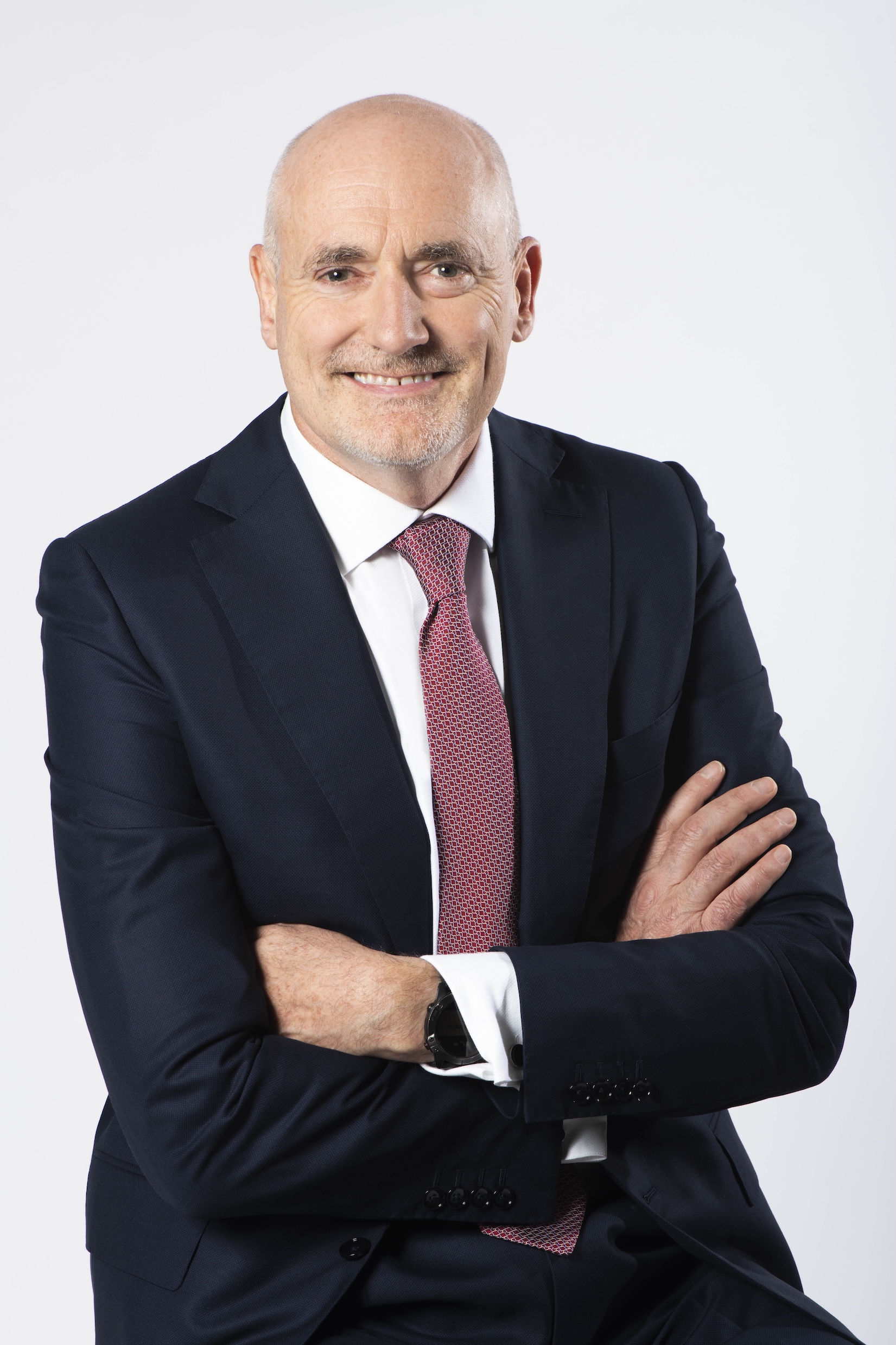

Building a digital powerhouse: Sam Barnett’s vision for CME in CEE
Sam Barnett took over as CEO of Central European Media Enterprises (CME) in May 2025 after more than two decades at MBC Group, where he transformed the Middle East broadcaster into a regional media powerhouse and oversaw the rise of Shahid, now the Arab world’s largest streaming platform. With extensive experience spanning broadcast television, digital media and streaming, Barnett arrived in Prague at a pivotal moment as CME accelerates its digital transformation while protecting the strength of its market-leading local broadcasters across Central and Eastern Europe.
In this exclusive interview with Yako Molhov for CEETV, Barnett reflects on his first year at the helm of CME, discussing the balance between local creative autonomy and regional scale, the future of streaming and advertising, the battle against piracy, the rollout of the Oneplay ecosystem beyond the Czech Republic, and the evolving role of broadcasters in an increasingly fragmented media landscape. He also shares his vision for CME’s future and explains why local storytelling remains the company’s most powerful competitive advantage.
In this exclusive interview with Yako Molhov for CEETV, Barnett reflects on his first year at the helm of CME, discussing the balance between local creative autonomy and regional scale, the future of streaming and advertising, the battle against piracy, the rollout of the Oneplay ecosystem beyond the Czech Republic, and the evolving role of broadcasters in an increasingly fragmented media landscape. He also shares his vision for CME’s future and explains why local storytelling remains the company’s most powerful competitive advantage.

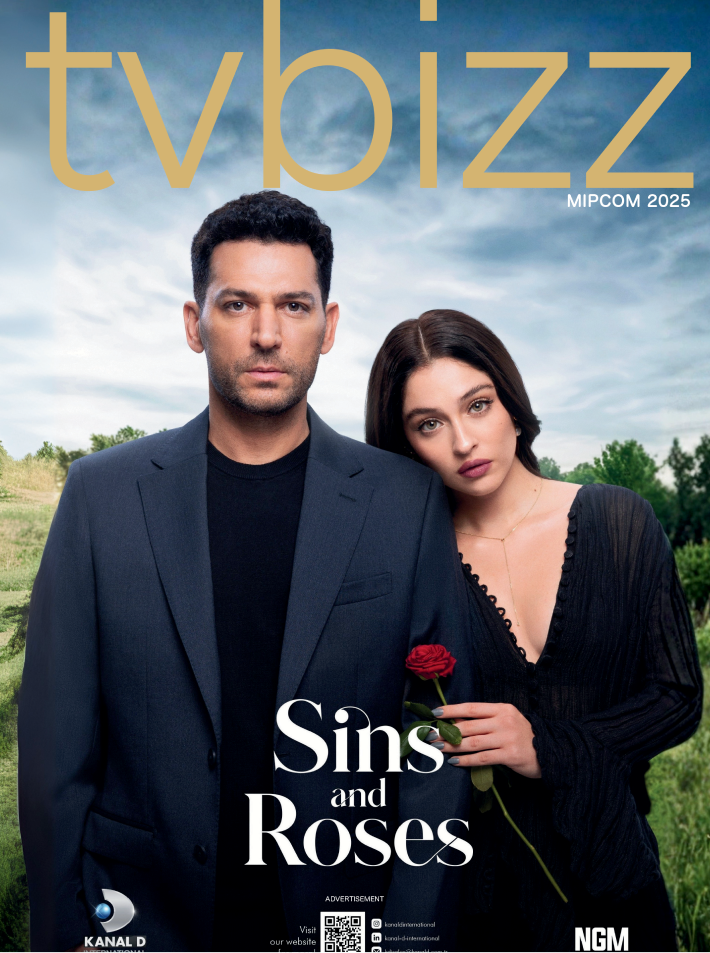
The Promise
Sam, you took the helm of CME in mid-2025 after a highly successful tenure leading MBC Group in the Middle East, where you scaled the Shahid streaming platform. Now that you are a year into your role at CME, what are the goals you have set for yourself and the company you are heading?
When I joined CME, I deliberately spent the first months listening - six markets, hundreds of conversations. What I saw at CME was a portfolio that does the hardest thing in our industry well: it makes premium local content that people love in their own language, in their own culture. I want CME to be the proof case in Europe that a regional group where local relevance and modern streaming economics reinforce each other and can win long-term in the digital era.
The stated goal of recent reorganization was to streamline cross-operational collaboration across your markets. As you centralize more functions at the Prague headquarters, how do you safeguard the local creative autonomy that makes stations like PRO TV, TV Nova, or bTV successful in their respective countries?
This is crucial to our model, so let me be very precise. We do not centralize local creative autonomy, on the contrary, it is the asset we are in business to protect. The examples such as PRO TV's news being the most trusted brand in Romania, the reason TV Nova has a thirty-year emotional relationship with the Czech audience, the reason bTV can start the country election campaign with emotional 3D building mapping in Sofia – all of this comes from local teams who deeply understand their viewers and they lead in terms of creativity and execution.
What we do at the center is everything that empowers those teams - technology, data, platforms, AI - and share learnings from one country that can travel to another.
Advertisers across Central and Eastern Europe are facing fragmented audiences and rapidly shifting digital ad spends. How are CME’s linear television networks holding up against digital alternatives, and are you planning a hybrid, ad-supported tier for your streaming ecosystem to capture these shifting budgets? What are your forecasts for your markets in CEE?
Our linear business is holding up far better than the global narrative suggests, because we own the moments the country watches together – evening news, primetime fiction, live sport, big entertainment finales, current affairs debates, etc.
Where the genuine shift is happening is in how we layer digital on top. The ad-supported tier is part of that thinking - we believe a hybrid model is the right answer for our markets. Forecast-wise, we expect digital ad share in our markets to keep growing while the linear premium inventory stays remarkably resilient.
CME recently doubled down on intellectual property protection by joining both the Audiovisual Anti-Piracy Alliance (AAPA) and the Alliance for Creativity and Entertainment (ACE). How severely is digital piracy denting your premium revenue in territories like Slovakia and Romania, and what concrete enforcement actions can we expect next?
Piracy is one of the biggest taxes on local creative investment, and as we heavily invest in premium local fiction and exclusive sports rights, the cost of inaction goes up. We tackle piracy collectively as a group and in all our markets.
Joining ACE and AAPA in the same year was deliberate. ACE gives us access to the most sophisticated global enforcement network in entertainment - shared intelligence, civil and criminal capability, and legal precedent across jurisdictions. AAPA gives us partnership with key players across EMEA to tackle all aspects of digital piracy and to facilitate the discussion with key stakeholders across the spectrum, including regulators and intermediaries. Together they let us act with much more leverage than CME could ever generate alone.
There have been reports regarding advanced talks and a due diligence phase with Czech businessman Michal Strnad regarding the potential sale of TV Markíza in Slovakia. While PPF has called this market speculation, from where you sit, is CME fully committed to maintaining its current regional footprint?
PPF has already addressed this directly, so I’m not going to comment on what are speculative rumors.
Moving to your digital ecosystem, PPF Group recently noted that Oneplay is roughly 1.5 times larger than Netflix in the Czech market. Netflix has global scale and an engineering army; Oneplay has hyper-local dominance. What is the shelf life of this advantage, and how long can local content keep global giants at bay?
The "shelf life" framing assumes our advantage is something the global platforms can eventually buy or build their way past. I don’t see it like that. Our advantage is years and years of trusted brands - Nova, Markíza, PRO TV, bTV, POP TV, RTL - and the local stories in fiction, entertainment, news, sport and talent in people that come with them.
When you give local audiences a properly built local product that will trigger viewer’s intrinsic emotions, it’s difficult to beat.
Oneplay has strictly avoided distributing its content on YouTube to maintain total revenue and platform control. While this protects subscription margins, does it risk cutting off top-of-funnel discovery for younger audiences, and how do you replace that organic discovery mechanism?
We're not absent from where young audiences are, we are deliberate about which assets generate revenue inside Oneplay and which assets generate awareness outside it. Our news, our short-form video, our talent, our reality-show moments - all of those living on TikTok, Instagram, YouTube, Facebook, generating reach. Love Island Czechia and Slovakia produced some of the largest TikTok engagement of any local format in our region. What stays inside Oneplay and Voyo is the premium long-form, the content people subscribe for. Discovery is healthy because we own the biggest TV networks in our markets.
PPF announced that Romania—via PRO TV—is the first major target for replicating the Czech Oneplay ecosystem model, followed by Slovakia. What specific strategic and commercial modifications are you making to the framework to ensure a successful rollout in the Romanian market?
PRO TV is the strongest commercial brand in the country, so this isn't pure replication of the Czech model - it's a Romania-first build. The priority is to deliver the best possible Romanian viewer experience: best Romanian content, best UX, best product, best ad experience. We focus on advertising tiers from the start to calibrate them with Romanian appetite.
PRO TV already has the audience trust. Our job is to wrap that trust in the best Romanian streaming product on the market. That is the standard we're holding ourselves to.
Looking across your entire CEE footprint, what do the spring results tell you about the current balance between high-budget local fiction versus live, trusted news and event programming, i.e. sports? Which genre is proving to be the more efficient engine for linear ad monetization and what were your most successful shows across CME markets?
All three legs of the stool carry their weight, and our strategy depends on having all of them. News delivers predictable, premium, brand-safe reach every week, that's the bedrock for advertisers. Sport adds the spike and the cultural moment: football in Romania, handball in Croatia, ice hockey in Czechia, volleyball in Bulgaria. These cultural differences are the beauty of our region and example how geography matters. Local fiction is what builds frequency, intimacy and emotional attachment - the reason a viewer comes back tomorrow.
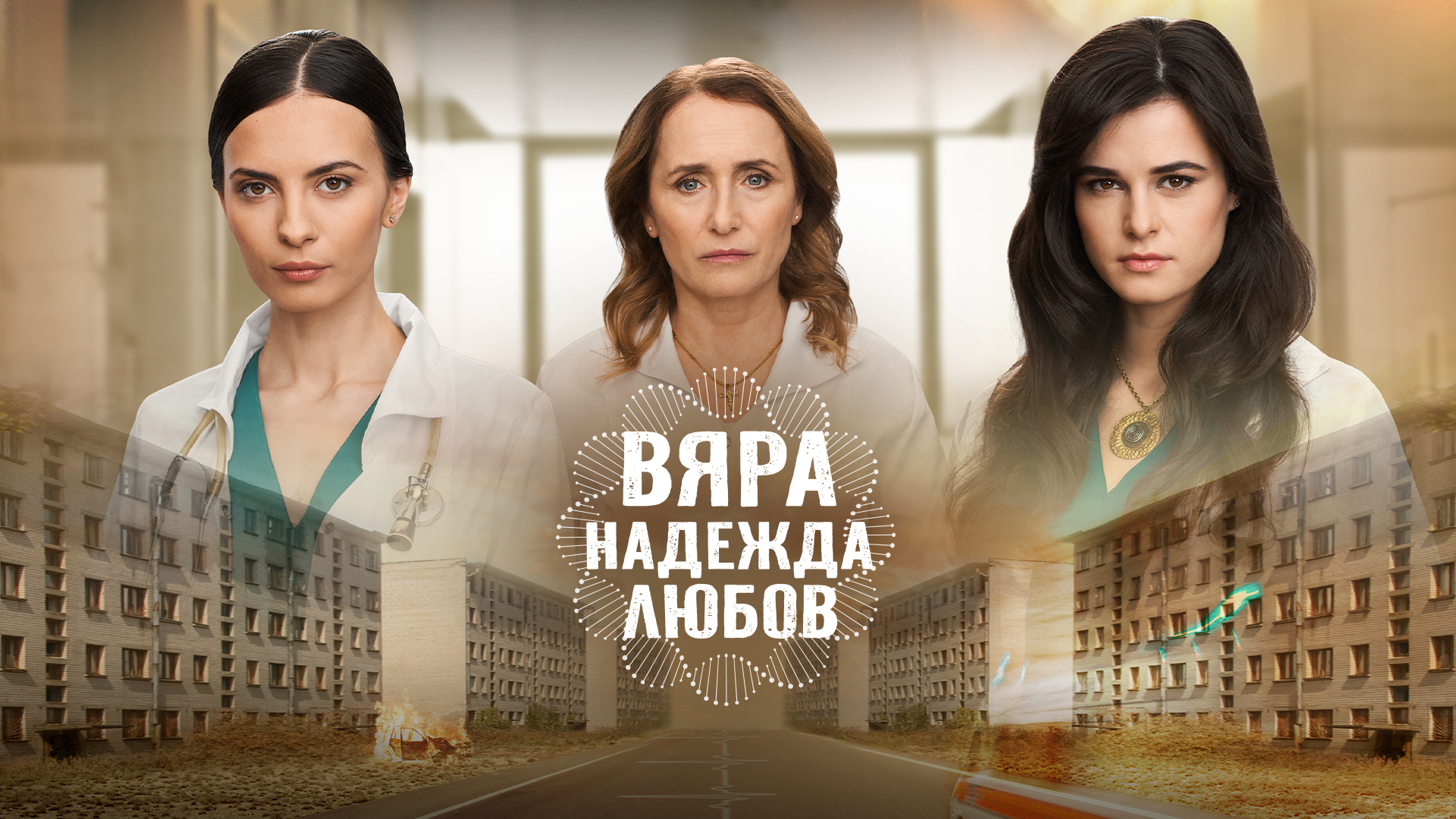
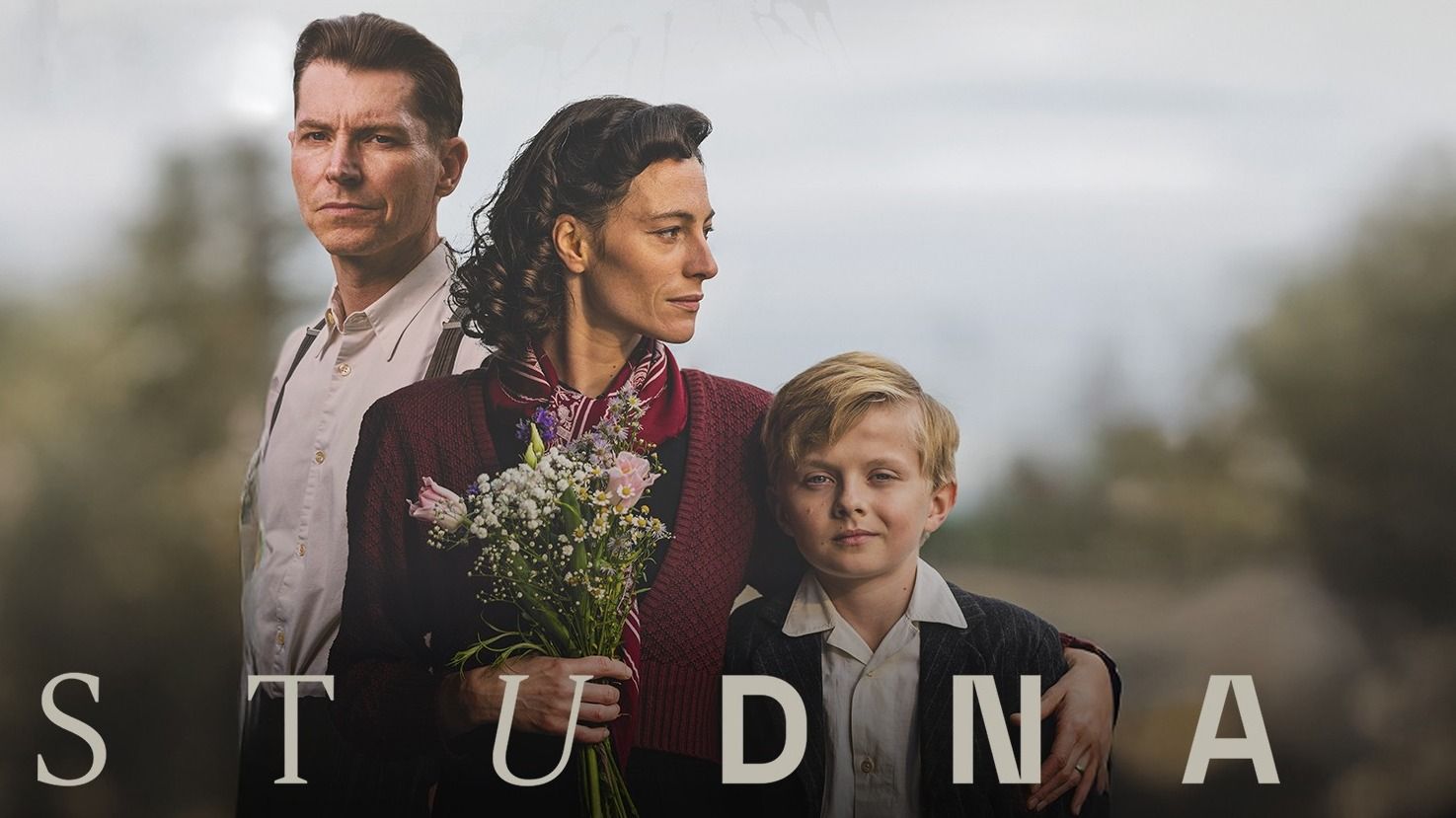
The spring confirmed several things: prestige Czech drama is having a moment, with Studna (The Well) and Král Šumavy (The King of Šumava) excelling at the Czech Lions Awards. Let’s Dance in Slovakia being a cultural phenomenon, together with family daily series Sľub (The Promise) and history saga Dunaj (Danube at Your Service) they dominate the market. bTV Bulgaria launched its first scripted drama in a decade, Hope Faith Love. Kmetija (The Farm) leading the primetime in Slovenia, Gospodin Savršeni (The Bachelor) strong in Croatia. Romania’s Got Talent is the largest entertainment audience in the Romanian market this season, on a format PRO TV has owned for years.
TV Markíza in Slovakia recently launched Rýchlovky, a short-form news format on TikTok adapted from a successful TV Nova concept. Are you seeing short-form social media news drive actual subscription conversion back to your paid platforms, or is it purely a brand-awareness play for Gen Z and are you planning similar formats for other CME territories?
Younger audiences consume news differently, on different platforms, in different formats. It's primarily about building habit and trust with a generation that will be our paying audience tomorrow - and yes, we are seeing it pull traffic back into our owned environments. We're actively testing short-forms, social-native formats in all CME markets so you can expect more.

You recently stated in Cannes that CME is a broadcaster that is "not only commercially successful, but also respected... for producing responsible, meaningful content." Historically, social impact programming has been viewed as a public broadcaster mandate—how do you intend to make the new Social Impact Center’s slate financially sustainable and attractive to commercial advertisers? How do you plan to scale these formats across the CME footprint?
I don’t agree with the premise. Socially relevant content isn't a separate category we have to make financially viable - it's something CME has been doing successfully for years. Recent example being new series Monyová on Czech Oneplay - six episodes inspired by the life and death of writer Simona Monyová is a serious treatment of domestic violence that performs as premium drama. However, with Social Impact Center we approach it differently, it is designed to be operating similarly to a foundation, meaning that the intended impact there, e.g. reducing stigma around mental health issues in Croatia, is a primary driver for commissioning the content. We perceive this as part of our charitable activities and create partnership networks around those titles.
Are you measuring success by traditional audience share and streaming views, or are you introducing new ESG-driven KPIs into CME’s executive dashboard?
The financial and audience metrics are the lifeblood and we measure them rigorously: linear share, total reach, daily active users on Voyo and Oneplay, subscriber growth, churn… Those are not going anywhere - they're how a media company stays a media company.
Alongside them, we are also actively engaging in continuously increasing the journalistic standards across newsrooms. We track carbon footprint of our productions and actively work on introducing sustainable practices, we intentionally increase the volume of content accessible viewers with disabilities, and we also work with non-profit organizations to support them either through donated media-time, narrative driving positive change within our shows or direct volunteering of our employees.
Looking ahead across all the themes we’ve discussed—from structural change and digital transformation to content strategy and societal impact—what do you want CME to be known for in five to ten years from now, both in the industry and among audiences?
The next decade in European media will reward the companies that understand culture as their compounding asset, not their constraint. We are uniquely positioned to be the leading regional group that proves it.
I want every viewer in our markets – Bulgaria, Croatia, Czechia, Romania & Moldova, Slovakia and Slovenia - to feel that CME's brands are the most trusted, most relevant, most loved storytellers in their country, on whatever screen they choose. Linear, streaming, mobile, social.
I want the industry to look at Central and Eastern Europe and say: that's how a regional group is supposed to work. A platform where six markets share scale, technology, talent, and ambition while keeping the local creative voice that audiences fell in love with in the first place. Local stories. World-class craft. A modern digital business. Editorial standards that earn trust. That is what CME is for, and that is what I want it to be famous for.
When I joined CME, I deliberately spent the first months listening - six markets, hundreds of conversations. What I saw at CME was a portfolio that does the hardest thing in our industry well: it makes premium local content that people love in their own language, in their own culture. I want CME to be the proof case in Europe that a regional group where local relevance and modern streaming economics reinforce each other and can win long-term in the digital era.
The stated goal of recent reorganization was to streamline cross-operational collaboration across your markets. As you centralize more functions at the Prague headquarters, how do you safeguard the local creative autonomy that makes stations like PRO TV, TV Nova, or bTV successful in their respective countries?
This is crucial to our model, so let me be very precise. We do not centralize local creative autonomy, on the contrary, it is the asset we are in business to protect. The examples such as PRO TV's news being the most trusted brand in Romania, the reason TV Nova has a thirty-year emotional relationship with the Czech audience, the reason bTV can start the country election campaign with emotional 3D building mapping in Sofia – all of this comes from local teams who deeply understand their viewers and they lead in terms of creativity and execution.
What we do at the center is everything that empowers those teams - technology, data, platforms, AI - and share learnings from one country that can travel to another.
Advertisers across Central and Eastern Europe are facing fragmented audiences and rapidly shifting digital ad spends. How are CME’s linear television networks holding up against digital alternatives, and are you planning a hybrid, ad-supported tier for your streaming ecosystem to capture these shifting budgets? What are your forecasts for your markets in CEE?
Our linear business is holding up far better than the global narrative suggests, because we own the moments the country watches together – evening news, primetime fiction, live sport, big entertainment finales, current affairs debates, etc.
Where the genuine shift is happening is in how we layer digital on top. The ad-supported tier is part of that thinking - we believe a hybrid model is the right answer for our markets. Forecast-wise, we expect digital ad share in our markets to keep growing while the linear premium inventory stays remarkably resilient.
Faith Hope Love
CME recently doubled down on intellectual property protection by joining both the Audiovisual Anti-Piracy Alliance (AAPA) and the Alliance for Creativity and Entertainment (ACE). How severely is digital piracy denting your premium revenue in territories like Slovakia and Romania, and what concrete enforcement actions can we expect next?
Piracy is one of the biggest taxes on local creative investment, and as we heavily invest in premium local fiction and exclusive sports rights, the cost of inaction goes up. We tackle piracy collectively as a group and in all our markets.
Joining ACE and AAPA in the same year was deliberate. ACE gives us access to the most sophisticated global enforcement network in entertainment - shared intelligence, civil and criminal capability, and legal precedent across jurisdictions. AAPA gives us partnership with key players across EMEA to tackle all aspects of digital piracy and to facilitate the discussion with key stakeholders across the spectrum, including regulators and intermediaries. Together they let us act with much more leverage than CME could ever generate alone.
There have been reports regarding advanced talks and a due diligence phase with Czech businessman Michal Strnad regarding the potential sale of TV Markíza in Slovakia. While PPF has called this market speculation, from where you sit, is CME fully committed to maintaining its current regional footprint?
PPF has already addressed this directly, so I’m not going to comment on what are speculative rumors.
Moving to your digital ecosystem, PPF Group recently noted that Oneplay is roughly 1.5 times larger than Netflix in the Czech market. Netflix has global scale and an engineering army; Oneplay has hyper-local dominance. What is the shelf life of this advantage, and how long can local content keep global giants at bay?
The "shelf life" framing assumes our advantage is something the global platforms can eventually buy or build their way past. I don’t see it like that. Our advantage is years and years of trusted brands - Nova, Markíza, PRO TV, bTV, POP TV, RTL - and the local stories in fiction, entertainment, news, sport and talent in people that come with them.
When you give local audiences a properly built local product that will trigger viewer’s intrinsic emotions, it’s difficult to beat.
Oneplay has strictly avoided distributing its content on YouTube to maintain total revenue and platform control. While this protects subscription margins, does it risk cutting off top-of-funnel discovery for younger audiences, and how do you replace that organic discovery mechanism?
We're not absent from where young audiences are, we are deliberate about which assets generate revenue inside Oneplay and which assets generate awareness outside it. Our news, our short-form video, our talent, our reality-show moments - all of those living on TikTok, Instagram, YouTube, Facebook, generating reach. Love Island Czechia and Slovakia produced some of the largest TikTok engagement of any local format in our region. What stays inside Oneplay and Voyo is the premium long-form, the content people subscribe for. Discovery is healthy because we own the biggest TV networks in our markets.
The Well
PPF announced that Romania—via PRO TV—is the first major target for replicating the Czech Oneplay ecosystem model, followed by Slovakia. What specific strategic and commercial modifications are you making to the framework to ensure a successful rollout in the Romanian market?
PRO TV is the strongest commercial brand in the country, so this isn't pure replication of the Czech model - it's a Romania-first build. The priority is to deliver the best possible Romanian viewer experience: best Romanian content, best UX, best product, best ad experience. We focus on advertising tiers from the start to calibrate them with Romanian appetite.
PRO TV already has the audience trust. Our job is to wrap that trust in the best Romanian streaming product on the market. That is the standard we're holding ourselves to.
Looking across your entire CEE footprint, what do the spring results tell you about the current balance between high-budget local fiction versus live, trusted news and event programming, i.e. sports? Which genre is proving to be the more efficient engine for linear ad monetization and what were your most successful shows across CME markets?
All three legs of the stool carry their weight, and our strategy depends on having all of them. News delivers predictable, premium, brand-safe reach every week, that's the bedrock for advertisers. Sport adds the spike and the cultural moment: football in Romania, handball in Croatia, ice hockey in Czechia, volleyball in Bulgaria. These cultural differences are the beauty of our region and example how geography matters. Local fiction is what builds frequency, intimacy and emotional attachment - the reason a viewer comes back tomorrow.
The spring confirmed several things: prestige Czech drama is having a moment, with Studna (The Well) and Král Šumavy (The King of Šumava) excelling at the Czech Lions Awards. Let’s Dance in Slovakia being a cultural phenomenon, together with family daily series Sľub (The Promise) and history saga Dunaj (Danube at Your Service) they dominate the market. bTV Bulgaria launched its first scripted drama in a decade, Hope Faith Love. Kmetija (The Farm) leading the primetime in Slovenia, Gospodin Savršeni (The Bachelor) strong in Croatia. Romania’s Got Talent is the largest entertainment audience in the Romanian market this season, on a format PRO TV has owned for years.
TV Markíza in Slovakia recently launched Rýchlovky, a short-form news format on TikTok adapted from a successful TV Nova concept. Are you seeing short-form social media news drive actual subscription conversion back to your paid platforms, or is it purely a brand-awareness play for Gen Z and are you planning similar formats for other CME territories?
Younger audiences consume news differently, on different platforms, in different formats. It's primarily about building habit and trust with a generation that will be our paying audience tomorrow - and yes, we are seeing it pull traffic back into our owned environments. We're actively testing short-forms, social-native formats in all CME markets so you can expect more.
The Bachelor Croatia
You recently stated in Cannes that CME is a broadcaster that is "not only commercially successful, but also respected... for producing responsible, meaningful content." Historically, social impact programming has been viewed as a public broadcaster mandate—how do you intend to make the new Social Impact Center’s slate financially sustainable and attractive to commercial advertisers? How do you plan to scale these formats across the CME footprint?
I don’t agree with the premise. Socially relevant content isn't a separate category we have to make financially viable - it's something CME has been doing successfully for years. Recent example being new series Monyová on Czech Oneplay - six episodes inspired by the life and death of writer Simona Monyová is a serious treatment of domestic violence that performs as premium drama. However, with Social Impact Center we approach it differently, it is designed to be operating similarly to a foundation, meaning that the intended impact there, e.g. reducing stigma around mental health issues in Croatia, is a primary driver for commissioning the content. We perceive this as part of our charitable activities and create partnership networks around those titles.
Are you measuring success by traditional audience share and streaming views, or are you introducing new ESG-driven KPIs into CME’s executive dashboard?
The financial and audience metrics are the lifeblood and we measure them rigorously: linear share, total reach, daily active users on Voyo and Oneplay, subscriber growth, churn… Those are not going anywhere - they're how a media company stays a media company.
Alongside them, we are also actively engaging in continuously increasing the journalistic standards across newsrooms. We track carbon footprint of our productions and actively work on introducing sustainable practices, we intentionally increase the volume of content accessible viewers with disabilities, and we also work with non-profit organizations to support them either through donated media-time, narrative driving positive change within our shows or direct volunteering of our employees.
Looking ahead across all the themes we’ve discussed—from structural change and digital transformation to content strategy and societal impact—what do you want CME to be known for in five to ten years from now, both in the industry and among audiences?
The next decade in European media will reward the companies that understand culture as their compounding asset, not their constraint. We are uniquely positioned to be the leading regional group that proves it.
I want every viewer in our markets – Bulgaria, Croatia, Czechia, Romania & Moldova, Slovakia and Slovenia - to feel that CME's brands are the most trusted, most relevant, most loved storytellers in their country, on whatever screen they choose. Linear, streaming, mobile, social.
I want the industry to look at Central and Eastern Europe and say: that's how a regional group is supposed to work. A platform where six markets share scale, technology, talent, and ambition while keeping the local creative voice that audiences fell in love with in the first place. Local stories. World-class craft. A modern digital business. Editorial standards that earn trust. That is what CME is for, and that is what I want it to be famous for.