

Aldis Hodge and Ben Watkins put authenticity and social truth at the heart of Cross in Monte-Carlo
Actor and executive producer Aldis Hodge and showrunner Ben Watkins brought one clear message to the 65th Monte-Carlo Television Festival: authenticity matters, both on screen and behind the camera.
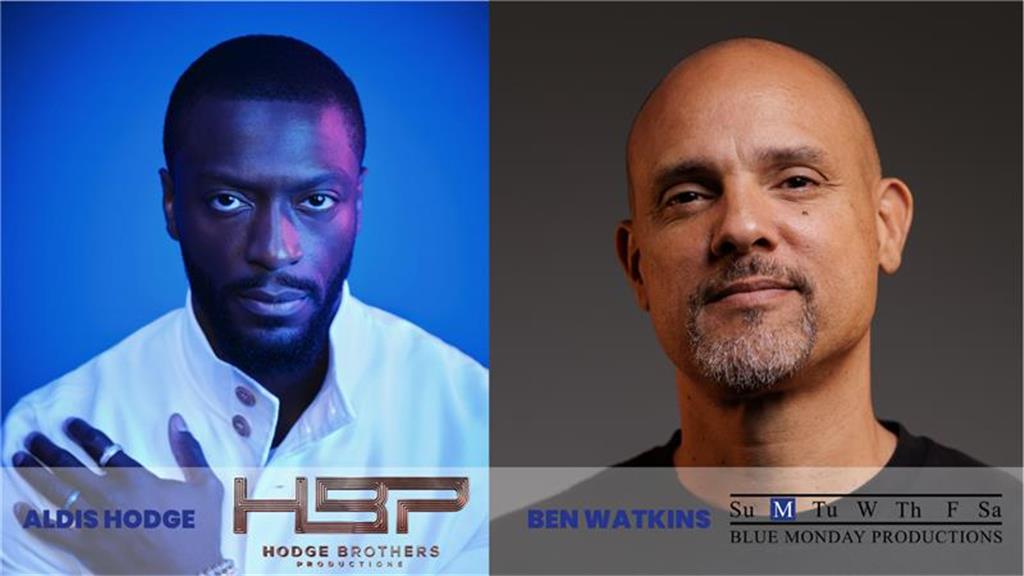
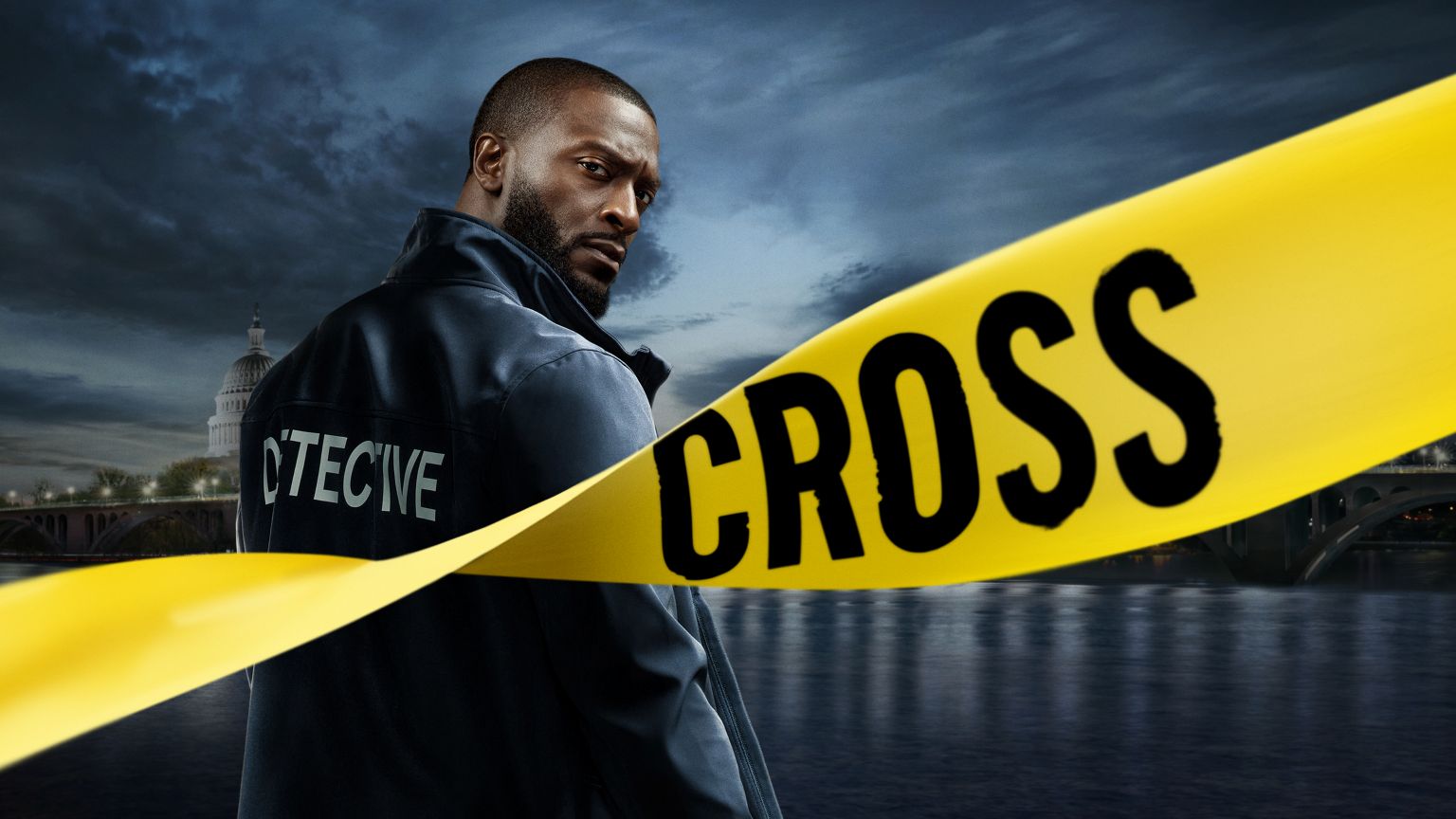
Based on the bestselling Alex Cross novels by James Patterson, Cross follows the brilliant Washington, D.C. homicide detective and forensic psychologist as he investigates complex crimes while confronting personal trauma and family challenges. Created by Ben Watkins, the series stars Aldis Hodge in the title role and streams globally on Prime Video. Watkins also revealed that the already commissioned third season is scheduled to return in the fourth quarter of 2026, continuing the show's blend of psychological crime storytelling, social commentary and character-driven drama.
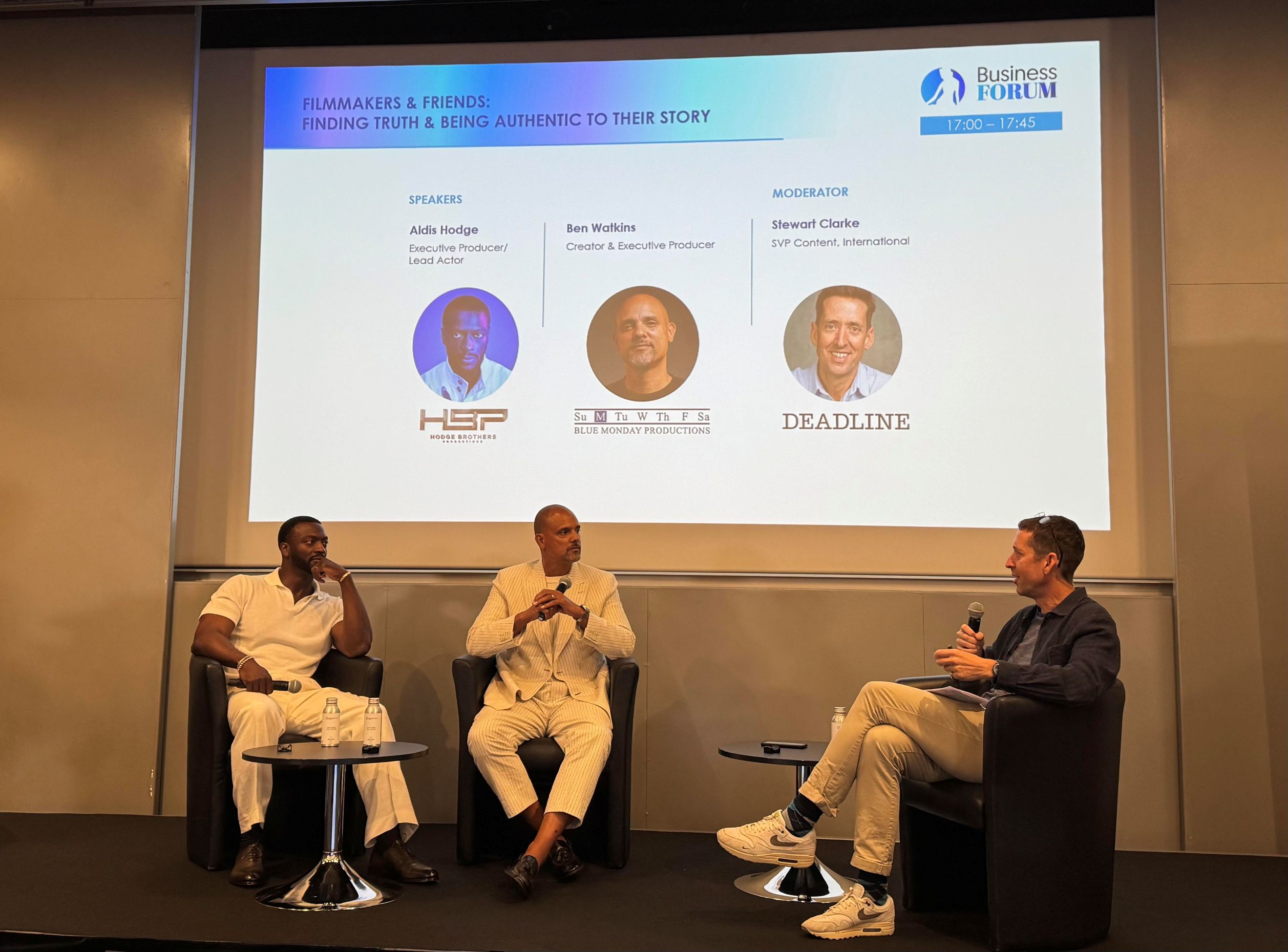
Appearing in a roundtable interview and later as speakers at the opening Business Forum panel “Filmmakers & Friends: Finding Truth and Being Authentic to Their Story,” the pair repeatedly returned to the themes of truth, representation and the responsibility of storytelling in Prime Video’s crime drama.
The strongest example came when Watkins was asked by TVBIZZ whether future seasons would continue tackling social issues, one of the elements that distinguishes Cross from traditional crime procedurals.
“I don't think that crime dramas should be reduced to just being a mystery,” Watkins said. “There are social issues that come out, and we're in a great position to do it and tell those stories.”
According to Watkins, crime stories naturally lend themselves to broader conversations about society because “crime in general, and especially in America, the questions around law enforcement are really the epicenter for a lot of social commentary.”
Crucially, he stressed that the series is not driven by ideology. “We don't have to be preachy. We don't have to have an agenda. We just have to have characters who are reflecting real life in order to have that stuff come out,” he said. “It's not because we want to preach. It's because we want to tell the truth.”
Watkins also revealed to TVBIZZ that the main villain in season 3 won't be relying on his power (as in S1) or on his money (in S2) but rather on his celebrity status.
That same commitment to authenticity was central to the Business Forum discussion. Hodge revealed that one of the reasons he immediately connected with Watkins’ script was the way Alex Cross was portrayed as a complex, fully realized Black protagonist.
After reading only a few pages, Hodge said he felt “relief” because the character was presented as “smart, intellectual, unapologetic, charismatic, raw, dangerous, vulnerable” without having “to submit or compromise his dignity or humanity.”
Reflecting on previous experiences in the industry, Hodge described challenging writers who approached Black characters through stereotypes. “Your idea of an intellectual Black man is a submissive Black man who's going to be quiet,” he recalled telling a showrunner on an earlier project. “I didn't sign up for that.”
He added that audiences recognize when stories ring false. “Our audiences are very smart,” Hodge said. “The moment they see something, smell something off, they're talking, they're Googling, they're, ‘Hey, this ain't it.’”
“We don't want the nonsense. We want some honesty, something we can really get down with.”
Watkins said that authentic representation was one of his primary goals when adapting James Patterson’s bestselling character for television. He wanted Cross to be portrayed as “a fully realized Black man” who could be “physical,” “dangerous,” “incredibly smart” and possess genuine emotional depth.
“One of the messages that I wrote into the script was like, this is going to be an unapologetic Black man who is amazing at his job,” Watkins said.
The discussion also highlighted how authenticity extends beyond the screen and into production culture. Watkins argued that creative environments are too often driven by “fear,” budgets and ego rather than inspiration. His goal on Cross was to create a workplace where everyone feels respected and empowered to contribute.
Hodge echoed that philosophy, saying that being first on the call sheet means “you should be number one in line to solve some problems,” adding that leadership is ultimately “a role of service.”
For both men, authenticity is not simply a creative buzzword but the foundation of the show's success. As Watkins noted, audiences connect with stories that feel real, even when they are highly specific.
“You can be telling specific stories, and they seem very, very focused,” he said, “but they're actually resonating across the board because they're tapping into universal themes.”
That combination of psychological crime storytelling, social relevance and authentic representation has become the defining identity of Cross — and, judging by the conversations in Monte-Carlo, it will remain central as the series moves into its upcoming seasons.
Appearing in a roundtable interview and later as speakers at the opening Business Forum panel “Filmmakers & Friends: Finding Truth and Being Authentic to Their Story,” the pair repeatedly returned to the themes of truth, representation and the responsibility of storytelling in Prime Video’s crime drama.
The strongest example came when Watkins was asked by TVBIZZ whether future seasons would continue tackling social issues, one of the elements that distinguishes Cross from traditional crime procedurals.
“I don't think that crime dramas should be reduced to just being a mystery,” Watkins said. “There are social issues that come out, and we're in a great position to do it and tell those stories.”
According to Watkins, crime stories naturally lend themselves to broader conversations about society because “crime in general, and especially in America, the questions around law enforcement are really the epicenter for a lot of social commentary.”
Crucially, he stressed that the series is not driven by ideology. “We don't have to be preachy. We don't have to have an agenda. We just have to have characters who are reflecting real life in order to have that stuff come out,” he said. “It's not because we want to preach. It's because we want to tell the truth.”
Watkins also revealed to TVBIZZ that the main villain in season 3 won't be relying on his power (as in S1) or on his money (in S2) but rather on his celebrity status.
That same commitment to authenticity was central to the Business Forum discussion. Hodge revealed that one of the reasons he immediately connected with Watkins’ script was the way Alex Cross was portrayed as a complex, fully realized Black protagonist.
After reading only a few pages, Hodge said he felt “relief” because the character was presented as “smart, intellectual, unapologetic, charismatic, raw, dangerous, vulnerable” without having “to submit or compromise his dignity or humanity.”
Reflecting on previous experiences in the industry, Hodge described challenging writers who approached Black characters through stereotypes. “Your idea of an intellectual Black man is a submissive Black man who's going to be quiet,” he recalled telling a showrunner on an earlier project. “I didn't sign up for that.”
He added that audiences recognize when stories ring false. “Our audiences are very smart,” Hodge said. “The moment they see something, smell something off, they're talking, they're Googling, they're, ‘Hey, this ain't it.’”
“We don't want the nonsense. We want some honesty, something we can really get down with.”
Watkins said that authentic representation was one of his primary goals when adapting James Patterson’s bestselling character for television. He wanted Cross to be portrayed as “a fully realized Black man” who could be “physical,” “dangerous,” “incredibly smart” and possess genuine emotional depth.
“One of the messages that I wrote into the script was like, this is going to be an unapologetic Black man who is amazing at his job,” Watkins said.
The discussion also highlighted how authenticity extends beyond the screen and into production culture. Watkins argued that creative environments are too often driven by “fear,” budgets and ego rather than inspiration. His goal on Cross was to create a workplace where everyone feels respected and empowered to contribute.
Hodge echoed that philosophy, saying that being first on the call sheet means “you should be number one in line to solve some problems,” adding that leadership is ultimately “a role of service.”
For both men, authenticity is not simply a creative buzzword but the foundation of the show's success. As Watkins noted, audiences connect with stories that feel real, even when they are highly specific.
“You can be telling specific stories, and they seem very, very focused,” he said, “but they're actually resonating across the board because they're tapping into universal themes.”
That combination of psychological crime storytelling, social relevance and authentic representation has become the defining identity of Cross — and, judging by the conversations in Monte-Carlo, it will remain central as the series moves into its upcoming seasons.